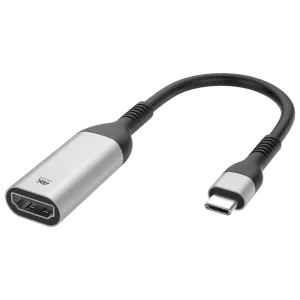
In modern high-performance enterprise and industrial computing ecosystems, connectivity bottlenecks present a critical hurdle to scalability. While standard USB-C Gigabit Ethernet controllers provide basic network access, they fail to meet the performance requirements of data-intensive B2B environments. This limitation is driving the shift toward native LAN to Thunderbolt architectures.
By leveraging the massive throughput of Intel's Thunderbolt PCIe tunneling, a custom LAN to Thunderbolt adapter enables direct, high-bandwidth connections between local systems and high-speed network infrastructures. Standard Ethernet setups often run into data packet overhead and OS driver issues, whereas Thunderbolt interfaces establish a direct connection to the motherboard's PCIe lanes. This results in minimal latency, reduced CPU overhead, and full support for advanced standards like 10GbE, 5GbE, and 2.5GbE Base-T.
For procurement officers, sourcing custom, high-grade LAN to Thunderbolt interfaces from dedicated factories is key to future-proofing enterprise deployments. This strategy helps businesses secure robust, custom-shielded solutions tailored for industrial, creative, and financial IT environments.
Thunderbolt Data Throughput
Manufacturing Experience
High-Speed Network Speeds Supported
Signal Integrity Validation & TDR Tested
Post-production houses working with uncompressed 8K and 12K video require direct access to high-capacity Network Attached Storage (NAS). Direct Thunderbolt connection to a 10G LAN backbone eliminates bottlenecks, allowing editors to scrub through timelines with zero delay.
Industrial visual inspection systems rely on GigE cameras that process massive data streams in real time. Custom LAN to Thunderbolt converters act as a high-bandwidth bridge, transferring lossless image data straight to edge AI systems with minimal latency.
In quantitative trading, microsecond delays directly impact performance. Thunderbolt's direct-to-CPU connection cuts down network stack latency compared to standard USB bridges, helping financial workstations process live market data faster.
Sourcing connectivity hardware involves balancing performance, compliance, and cost. Chinese manufacturers, particularly in major electronic hubs like Dongguan, offer distinct supply chain and technical advantages:
By partnerning with established Chinese manufacturers, global enterprises can customize products to their exact specifications while maintaining compliance with international standards like CE, FCC, RoHS, and Thunderbolt certifications.
Established in Keelung, Taiwan in 1984 as Tonetron, the company took a major step forward in 1993 by setting up a dedicated production industrial park in Dalingshan Town, Dongguan City, China, transitioning to Dongguan Taitron Electronics Limited.
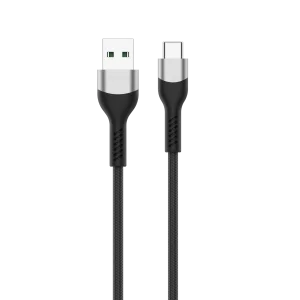
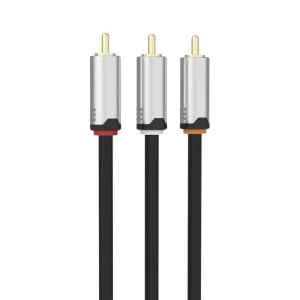
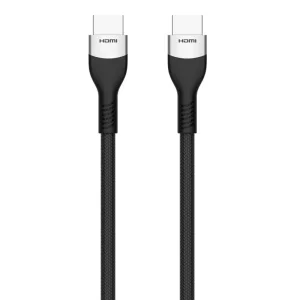
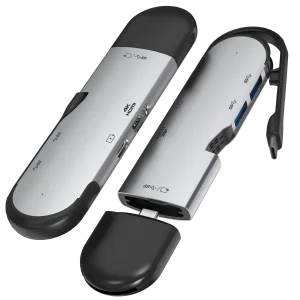
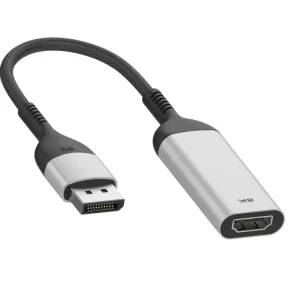
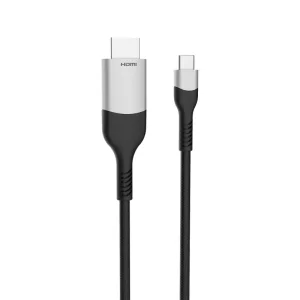
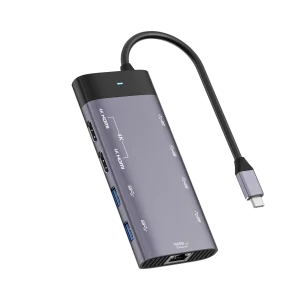
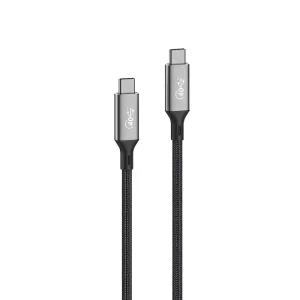
With over 38 years of expertise in video, audio, and high-speed data connectivity, the company has built its operations on precision engineering and strict quality standards. Over the years, Dongguan Taitron has expanded its product line from traditional analog cables to high-performance digital connectivity solutions. Today, our advanced portfolio includes HDMI 2.1, DP 2.0, USB4, USB-C 3.1 Gen 2, high-power USB charging cables, 8K adapters, and multi-functional Type-C docking stations.
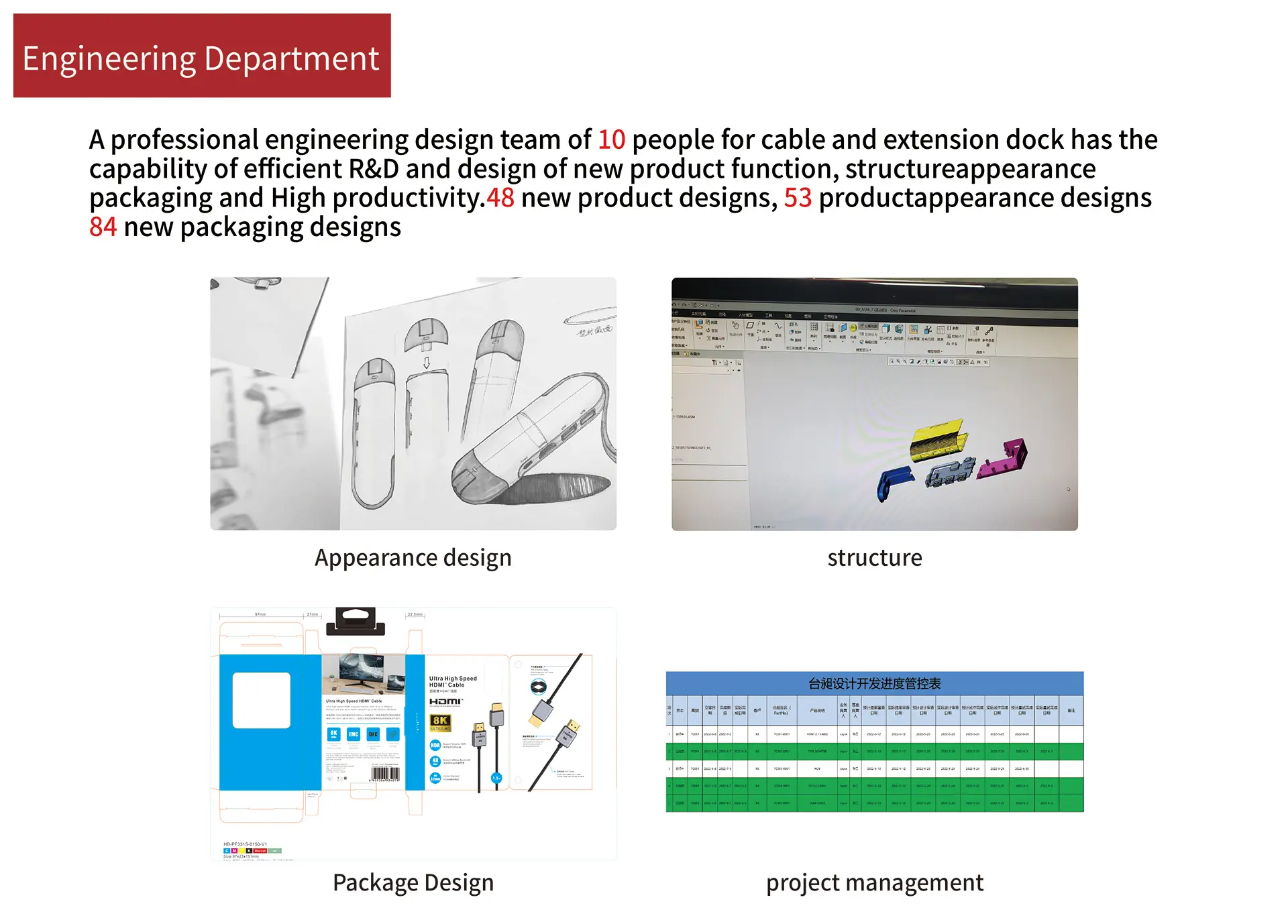
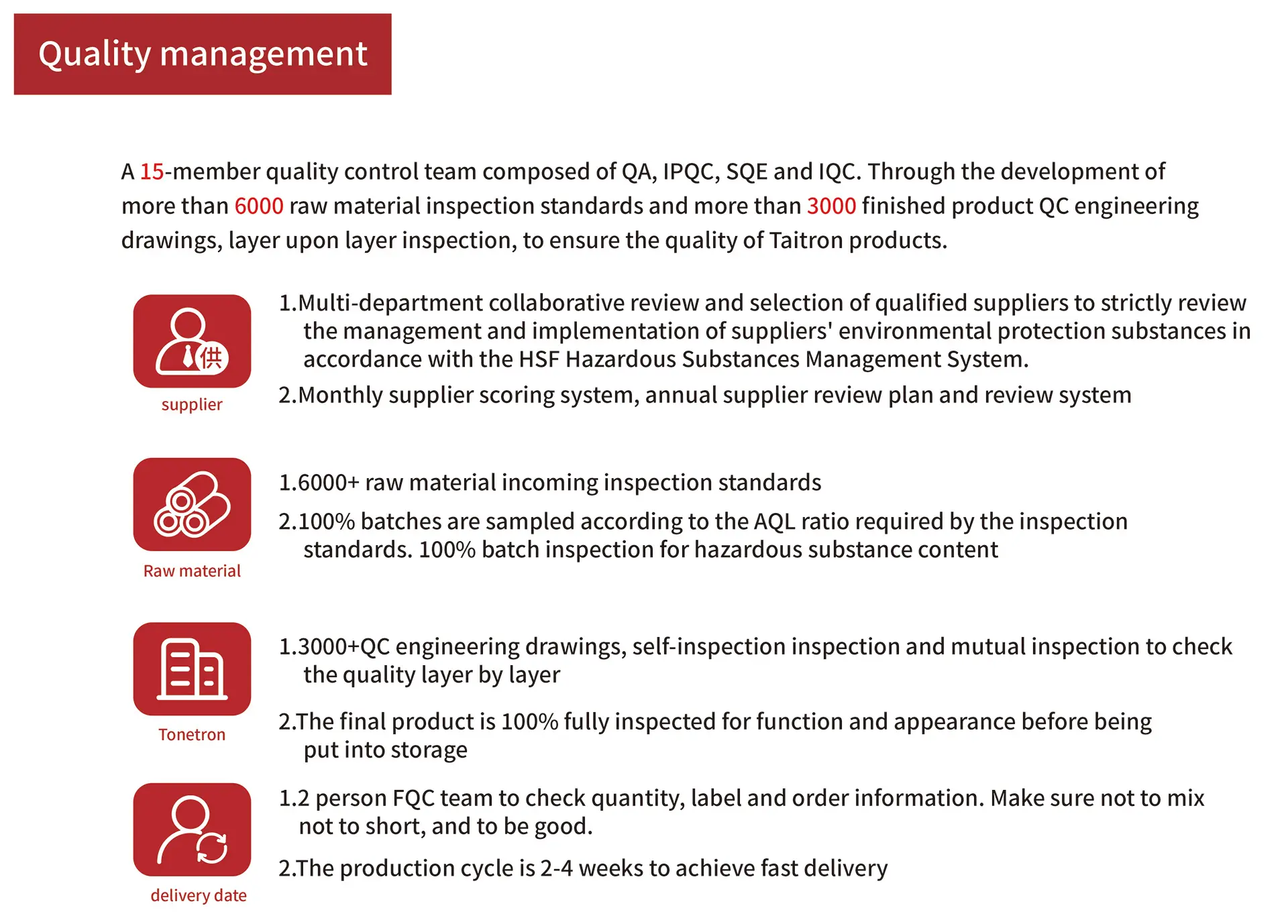
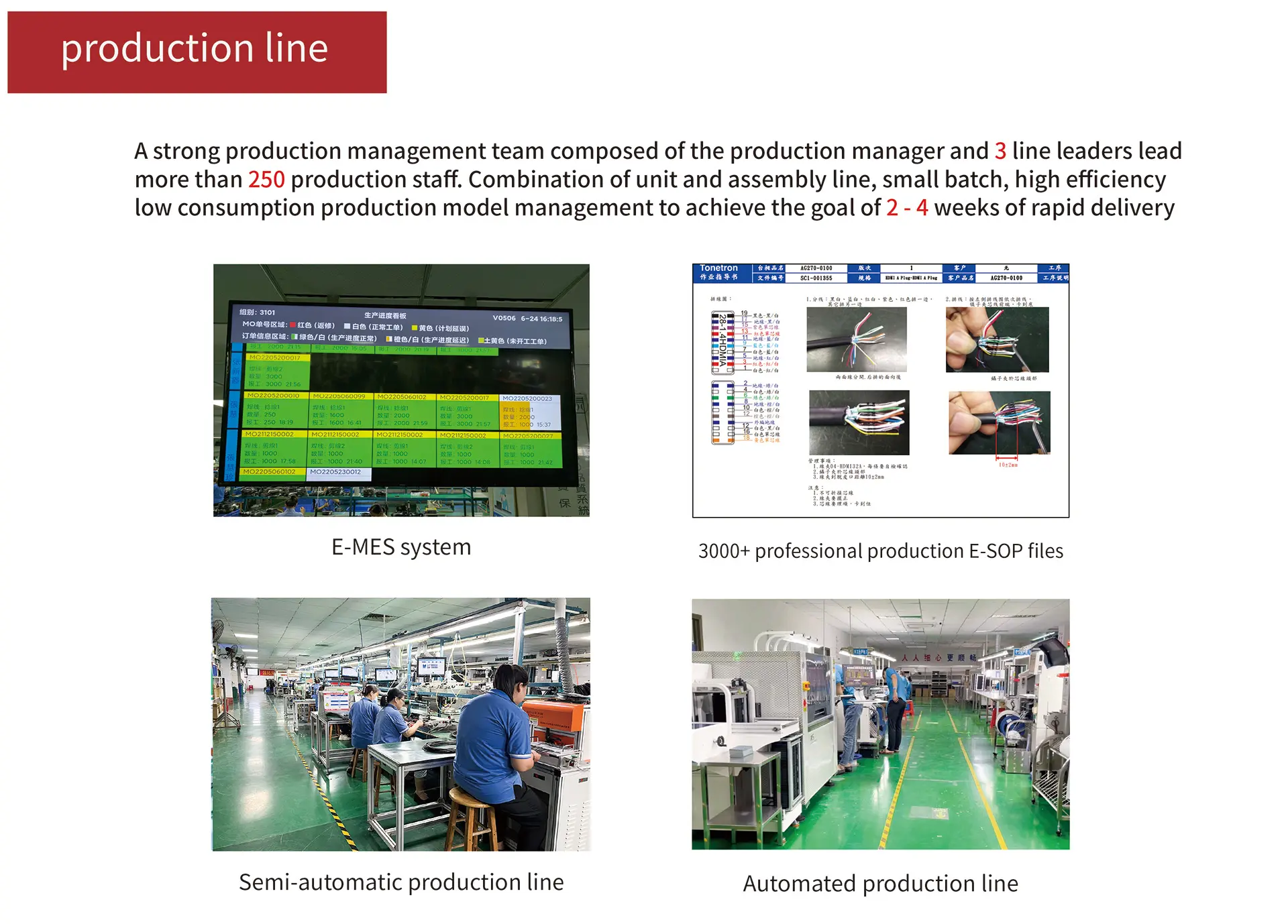
Operating out of our self-built facility in Dongguan, our teams manage every stage of production—from initial R&D and PCB design to final assembly, testing, and shipping. This end-to-end oversight ensures our products meet the quality and performance requirements of global OEM/ODM clients.

As network speeds increase, connectivity standards must evolve to match them. Sourcing teams should monitor key technical trends when planning future acquisitions:
The transition to Thunderbolt 5 brings a major boost in throughput, delivering 80Gbps of bi-directional bandwidth and up to 120Gbps in Bandwidth Boost mode. This extra capacity allows devices to easily run high-speed network connections alongside multiple 8K displays over a single cable.
Traditional adapters often relied on basic Gigabit Ethernet controllers. Modern custom designs are moving toward multi-gigabit chipsets (2.5G/5G/10G) like Aquantia or Realtek's high-speed controllers, which feature built-in hardware offloading to minimize CPU load.
High-speed networking chips generate noticeable heat during continuous data transfers. Modern designs address this with custom aluminum alloy housings, internal thermal pads, and passive heatsinks, ensuring stable performance without throttling.
Global compliance standards increasingly favor environmentally conscious manufacturing. Lead factories are adopting post-consumer recycled (PCR) plastics, halogen-free cables, and energy-efficient manufacturing processes to support eco-friendly corporate procurement policies.
To ensure high performance and reliable delivery when requesting quotes for custom LAN to Thunderbolt hardware, consider adding these parameters to your RFQ:
| Specification Parameter | Standard Requirement | Industrial/High-End Requirement |
|---|---|---|
| Data Speed Support | 1 Gbps Ethernet (1000BASE-T) | 2.5G, 5G, or 10G Base-T (IEEE 802.3an/bz) |
| Controller Chipset | Generic USB-C fallback bridges | Intel Thunderbolt/Aquantia Native PCIe controllers |
| Enclosure & Cooling | Standard ABS Plastic Enclosure | CNC Aluminum with internal thermal compound pads |
| Signal Shielding | Basic foil shielding | Dual-layer metal can shield (EMI/RFI protection) |
| Compliance Certifications | CE, RoHS basics | FCC Class B, CE, RoHS, WEEE, Thunderbolt certification |
 Taichang Electronic