Unpacking the critical infrastructure demand for wired reliability in an increasingly wireless-congested corporate ecosystem.
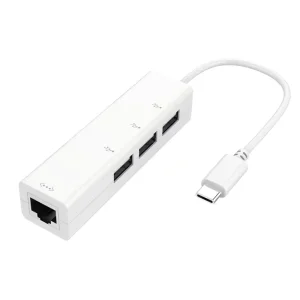
In the contemporary enterprise landscape, high-density wireless networks often experience packet loss, signal attenuation, and radio frequency interference (RFI). While Wi-Fi 6E and Wi-Fi 7 have improved peak theoretical wireless speeds, they cannot guarantee the uninterrupted, low-latency, and highly secure path required by mission-critical corporate operations. The USB 3.0 to RJ45 Gigabit Ethernet adapter serves as a crucial bridge, upgrading modern ultra-thin laptops, embedded industrial computers, and IoT terminal devices lacking onboard PCIe LAN controllers to native Gigabit network speeds.
Industries such as automated warehousing, healthcare systems, retail POS networks, and financial trading stations require consistent wire-speed gigabit performance. In these environments, USB 3.0 (also known as USB 3.1 Gen 1 or USB 3.2 Gen 1x1) provides a 5 Gbps signaling rate, which easily avoids bottlenecking a 10/100/1000 Mbps copper Ethernet connection. This architectural headroom ensures that even during full-duplex gigabit transfers, the host CPU handles minimal interrupts, and network packet flow remains smooth.
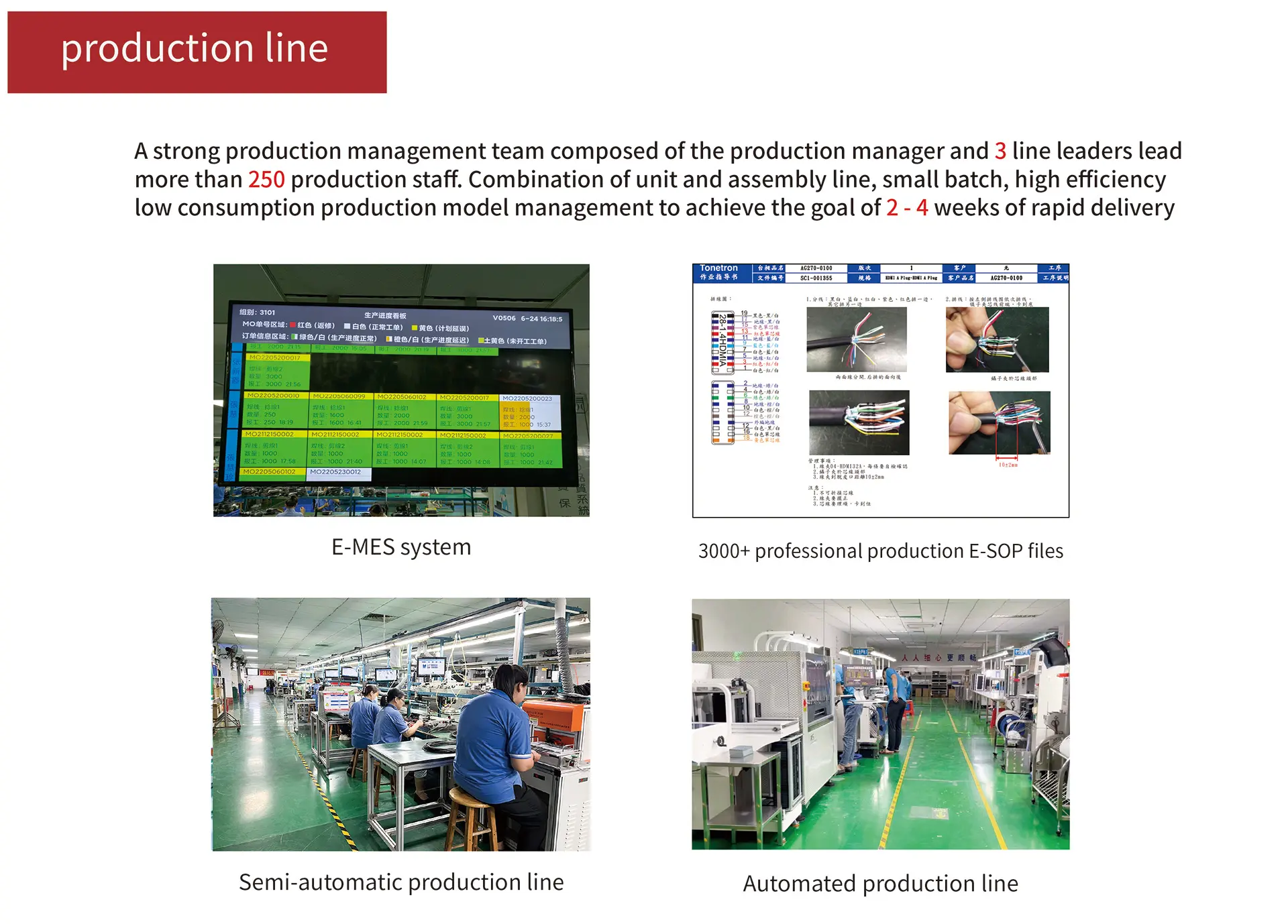
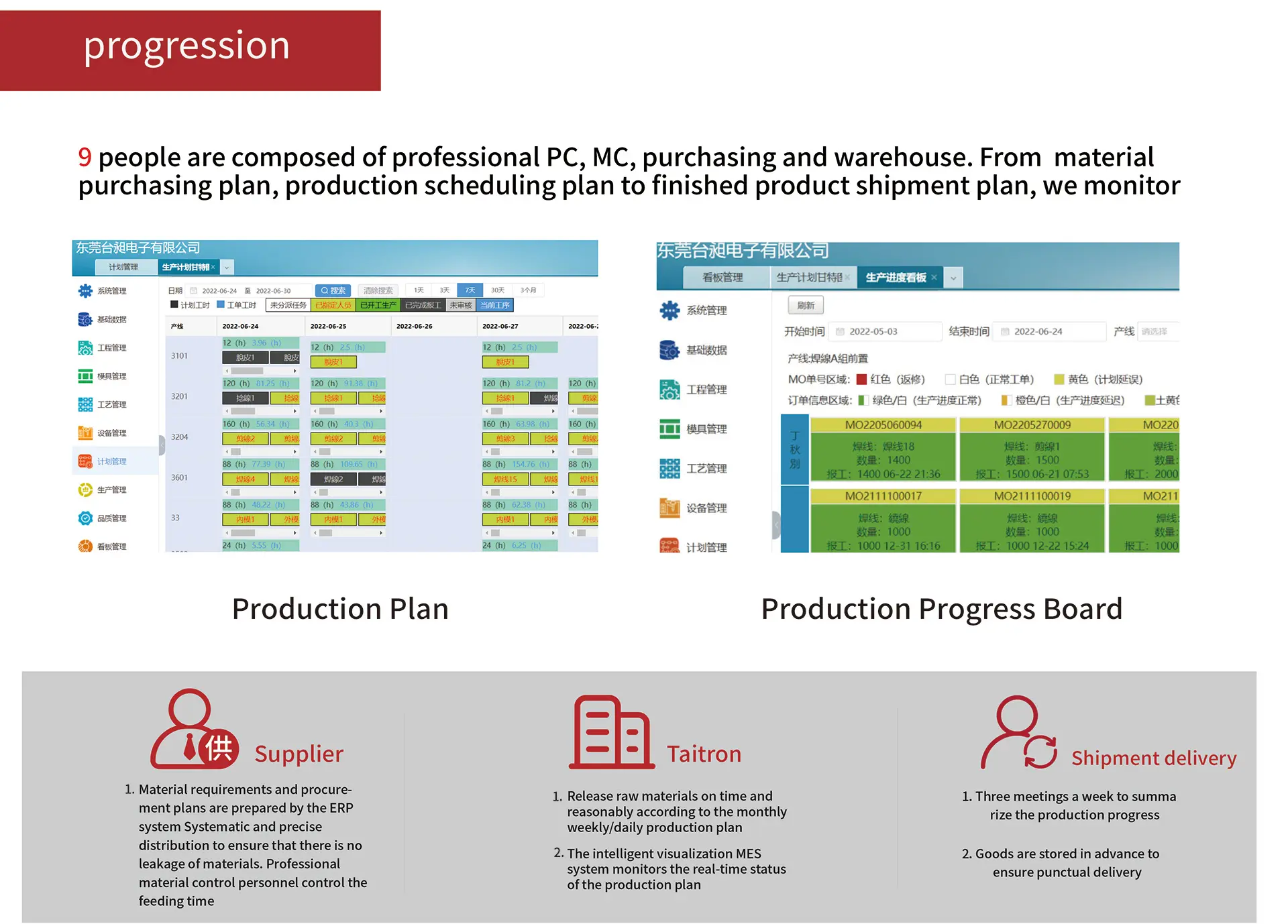
How Taitron leverages automated integration, raw material localization, and strict validation in Dalingshan Town, Dongguan.
By housing copper wire extrusion, component SMT, connector overmolding, and validation under one roof, we eliminate intermediate supply chain markups, passing significant discount advantages to global volume buyers.
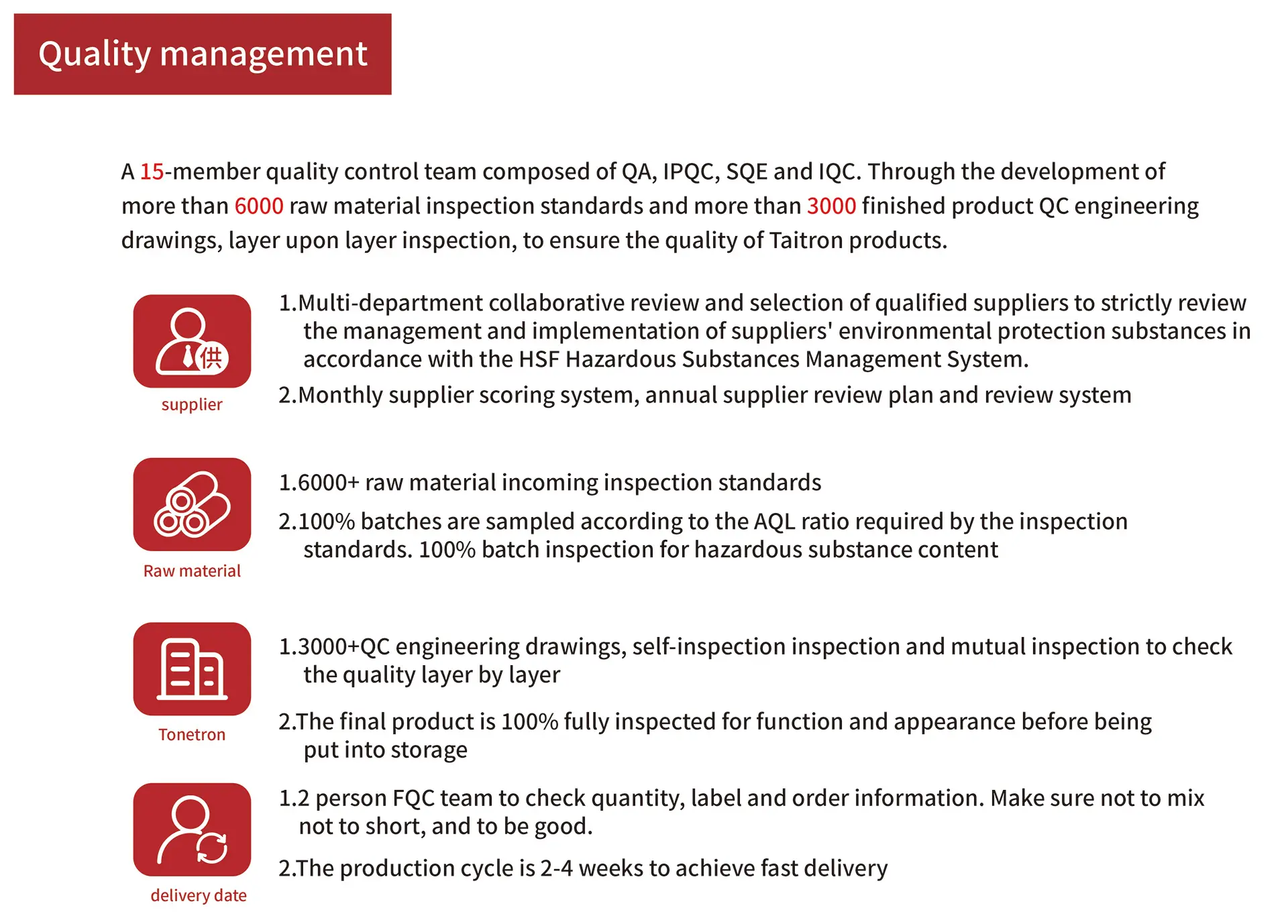
Every production run undergoes 100% automated electrical continuity testing, network packet transmission validation (using Fluke network testers), and insertion/extraction tests to verify physical endurance.
Our adapters use premium ASIX AX88179A or Realtek RTL8153 chipsets, ensuring plug-and-play driver compatibility across Windows, macOS, Linux, ChromeOS, and Nintendo Switch without manually installing packages.
Operating out of the manufacturing capital of Dongguan, China, Dongguan Taitron Electronics Limited leverages mature industrial clusters in Dalingshan Town. We source premium-grade raw materials—such as high-conductivity oxygen-free copper (OFC), aluminum-magnesium braiding, and premium flame-retardant PVC/TPE outer jackets—within a 50-kilometer radius. This close proximity reduces raw material transit costs and allows us to quote competitive price structures to OEM and distributor partners worldwide.
Our manufacturing facilities are ISO 9001 and ISO 14001 certified. We focus on zero-defect manufacturing processes that incorporate multi-stage quality gates, automated Optical Inspection (AOI) for PCB assemblies, and strict signal transmission tests. This ensures our discount pricing structures reflect high production efficiency rather than cut corners on product quality.
| Specification Feature | Standard Product Range | OEM/ODM Customization Capability |
|---|---|---|
| Interface Chipset | Realtek RTL8153B / ASIX AX88179A | Texas Instruments, Cypress, custom-specified ICs |
| Host Connector | USB 3.0 Type-A Male / USB 3.1 Type-C Male | Right-angle connectors, gold/nickel-plated shell |
| Ethernet Port | RJ45 female receptacle (shielded) | Industrial screw-lock RJ45, LED link indicators |
| Chassis Material | Precision CNC Anodized Aluminum / ABS Shell | Custom corporate colors, laser-etched branding |
| Cable Structure | 32 AWG + 24 AWG tinned copper core, triple shielding | High-flex, flat profile, braided nylon jacket options |
| Compliance Standards | CE, FCC, RoHS, REACH, IEEE 802.3/3u/3ab | Country-specific certifications (UL, PSE, KC, UKCA) |
Where stable wired connectivity is non-negotiable for system integrators and IT architects.
With slim ultrabooks replacing traditional workstations, IT departments use our USB 3.0 to RJ45 adapters to connect employees to corporate local area networks. This setup ensures secure gigabit speeds, supports PXE (Preboot Execution Environment) network booting for easy system deployment, and enables Wake-on-LAN (WoL) for remote off-hours updates.
On manufacturing floors, PLC (Programmable Logic Controller) programming and industrial PCs often need isolated physical connections to diagnostic networks. Our high-durability, triple-shielded adapters protect data transmissions from electromagnetic interference (EMI) generated by heavy machinery.
Point-of-Sale (POS) terminals require continuous uptime to process transactions. Relying on wireless signals can cause latency spikes or dropped connections during peak hours. Our adapters provide a cost-effective, hardwired network path that minimizes transaction delays and customer queue times.
Looking ahead: how next-generation silicon, green materials, and faster data rates influence B2B procurement decisions.
The networking landscape is shifting rapidly. While 1 Gbps (Gigabit Ethernet) remains the baseline standard for general office workstations and retail operations, 2.5G (IEEE 802.3bz) and 5G Ethernet connectivity are gaining ground in high-volume creative studios, engineering labs, and network-attached storage (NAS) environments. Modern silicon designs allow chipsets to run cooler and consume less power, enabling compact, bus-powered multi-gigabit adapters that operate reliably without needing external power supplies.
Additionally, environmental compliance is a top priority for corporate procurement. Global buyers are moving away from traditional halogen-based PVC cables and choosing highly recyclable TPE (Thermoplastic Elastomer) or braided nylon jackets. Dongguan Taitron Electronics keeps pace with these industry trends by continuously testing and integrating lead-free, halogen-free materials. We also offer advanced PCB designs featuring ESD (Electrostatic Discharge) protection up to 15kV, safeguarding downstream client devices from electrical surges.
Key considerations for procurement managers seeking reliable ODM/OEM partnerships.
Buying network adapters at scale requires looking beyond the unit cost. Sourcing managers must evaluate the manufacturer's quality control systems, chip supply chains, and customization capabilities. At Dongguan Taitron Electronics, we support global buyers by offering:
Detailed technical answers to common questions raised by IT engineers and procurement specialists.
A legacy of connectivity engineering since 1984.
In 1984, Dongguan Taitron Electronics Limited., formerly known as Tonetron, was founded in Keelung, Taiwan. In 1993, it moved to the self-built independent production industrial park in Dalingshan Town, Dongguan City, China, and changed its name to Dongguan Taitron Electronics Limited.
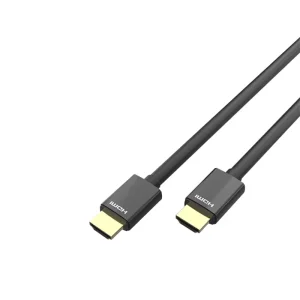
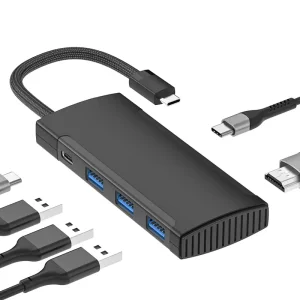
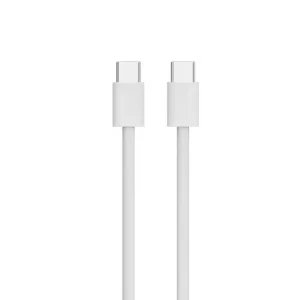
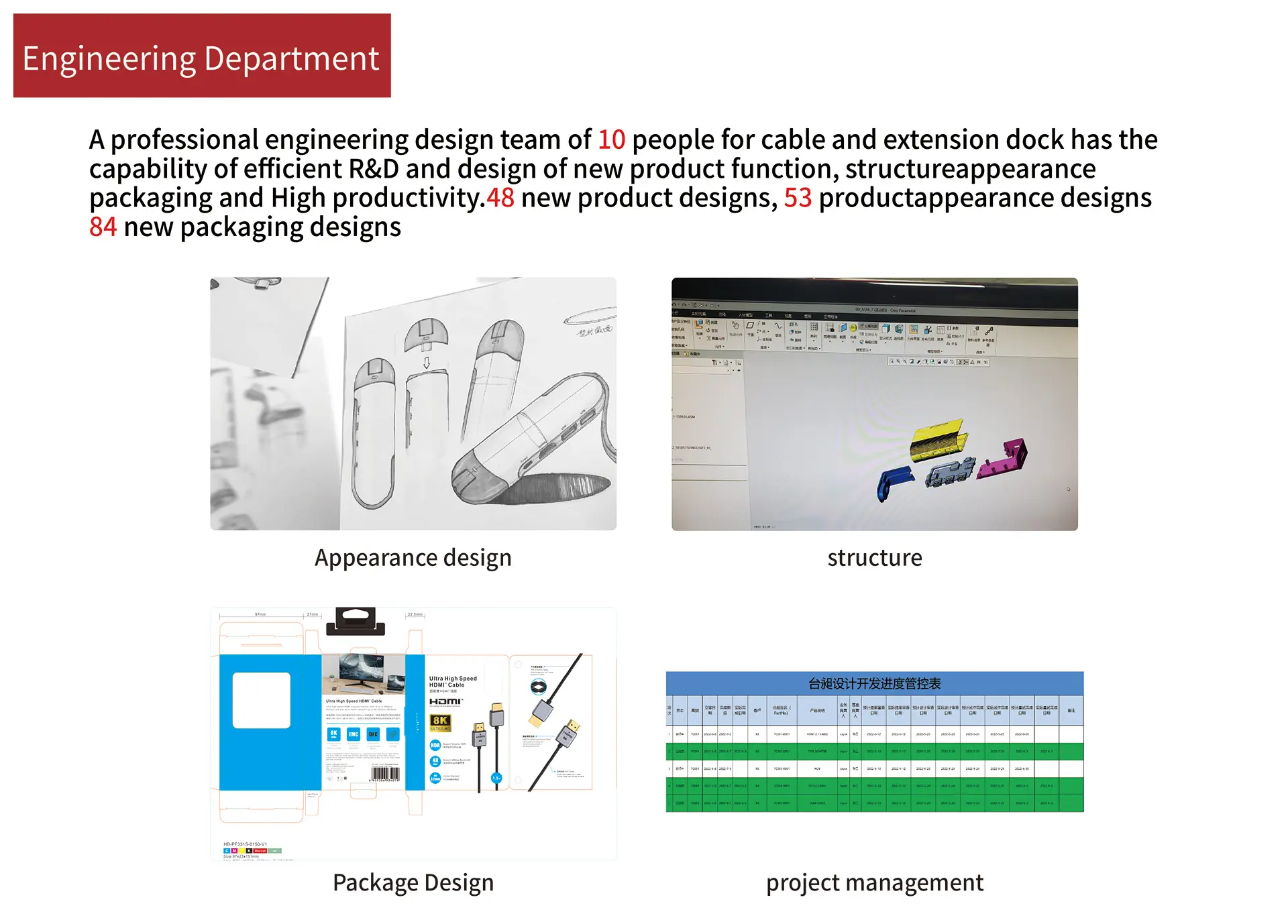
With 38 years of expertise in professional video and audio connection lines as our foundation, we have steadily expanded our capabilities. Today, we specialize in the research, development, and manufacturing of high-end data cables and conversion products. Our portfolio includes HDMI 2.1 cables, DP 2.0 cables, USB4 data cables, USB-C 3.1 Gen 2 data cables, high-power USB charging cables, 8K HD conversion cables, and multi-functional Type-C expansion docks.

 Taichang Electronic