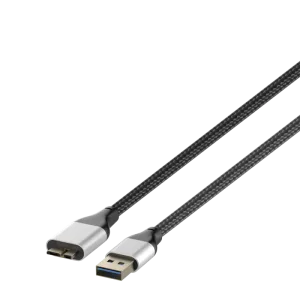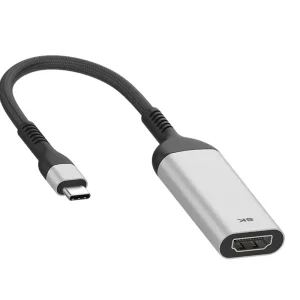
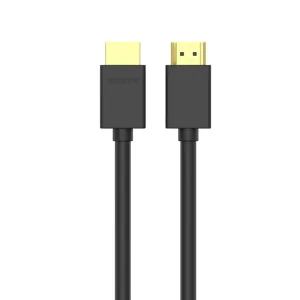
In the rapidly changing landscape of global electronic interfaces, the USB Type-A to USB 3.0 protocol remains a foundational pillar for industrial automation, enterprise systems, and legacy-forward consumer platforms. While newer standards like USB Type-C and USB4 dominate conversations around modular hardware, USB-A 3.0 represents a trillion-unit installed base that demands exceptional reliability, signal integrity, and structural resilience.
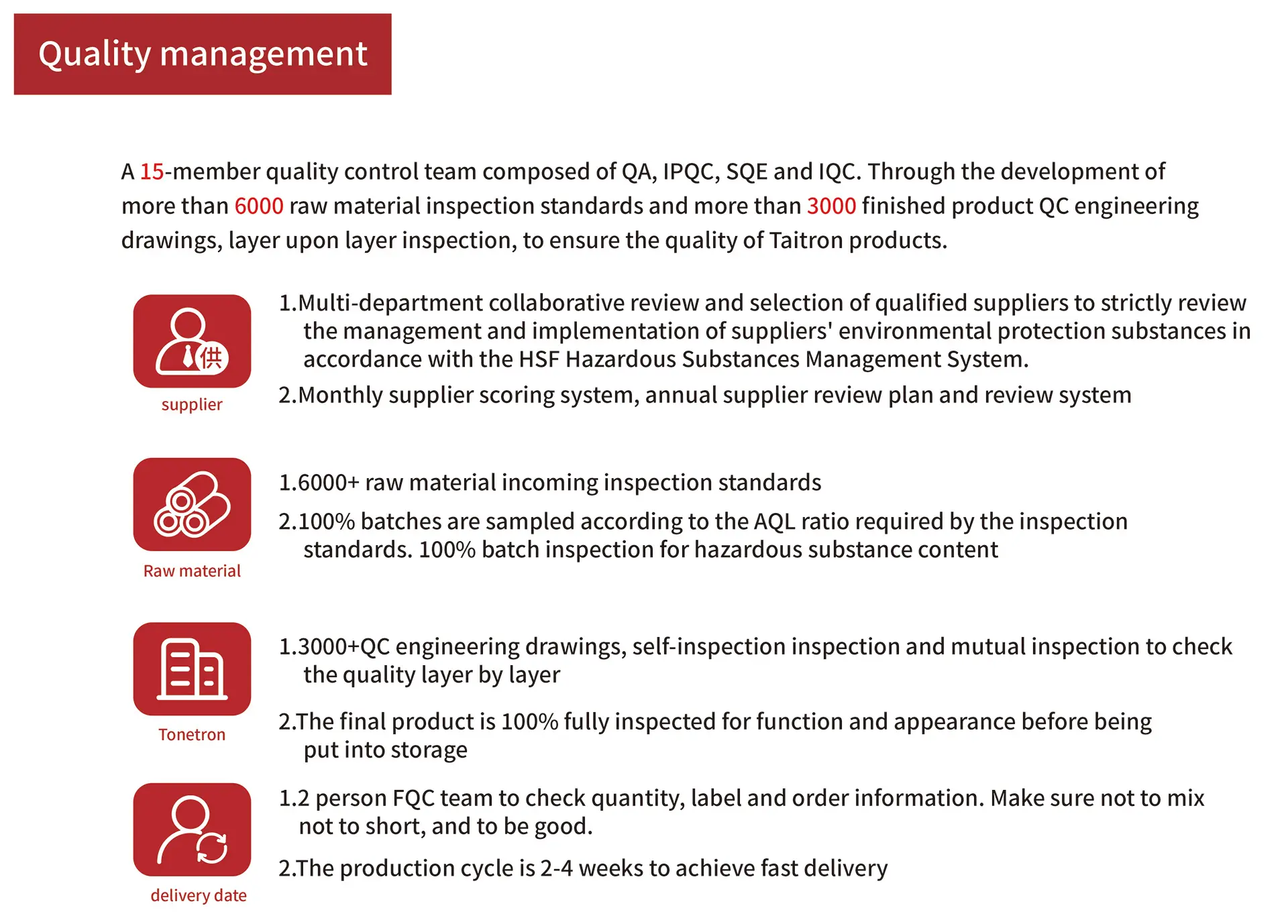
As leading global exporters and suppliers, we recognize that raw throughput is only one variable in the high-speed interface equation. True engineering superiority lies in mitigating high-frequency electromagnetic interference (EMI), optimizing differential impedance targets (90Ω ± 5%), and ensuring mechanical endurance across thousands of mating cycles.
Founded in 1984 in Keelung, Taiwan, as Tonetron, we have spent nearly four decades developing connections. Transitioning to a fully integrated, state-of-the-art facility in Dongguan, China in 1993, Dongguan Taitron Electronics Limited has combined Taiwan-born high-end engineering methodologies with the robust manufacturing agility of mainland China. We build cables that don't just connect—they protect.
The universal adoption of the USB-A physical port footprint means it is highly utilized in industrial, enterprise, and medical setups. Despite the rise of symmetrical USB-C ports, the mechanical stability and legacy design patterns of USB-A make it the preferred choice for industrial PCs (IPCs), machine vision units, POS systems, and commercial kiosk architectures.
In automated factory settings, electromagnetic noise from variable frequency drives (VFDs) and heavy machinery can disrupt data streams. Our USB 3.0 cables utilize custom-braided double shielding and inner aluminum-mylar wraps to prevent packet loss in mission-critical environments.
Diagnostic equipment demands consistent, uninterrupted throughput. USB 3.0's 5Gbps signaling supports real-time high-definition video streaming. Our medical-grade outer jackets resist chemical wipe-downs, maintaining flexural integrity and preventing cable cracking.
Server racks, storage arrays, and network gateways rely on USB 3.0 Type-A interfaces for local configurations, backup drives, and secure firmware flashing. Reliability here prevents costly network downtime.
| Parameters | Standard USB 3.0 Specifications | Taitron Industrial Standards | Strategic Advantage |
|---|---|---|---|
| Nominal Data Rate | 5.0 Gbps (SuperSpeed) | 5.0 Gbps (Sustained Payload) | Zero-latency transmission overhead |
| Impedance Target | 90Ω ± 15% | 90Ω ± 5% | Minimal signal reflection and EMI generation |
| Outer Sheathing | Standard PVC | High-Flex, Chemical-Resistant PVC/TPE | Extended lifecycle in harsh environments |
| Shielding Coverage | 65% Braid Coverage | ≥ 85% Braiding + Dual Al-Mylar | Exceptional attenuation of external RF interference |
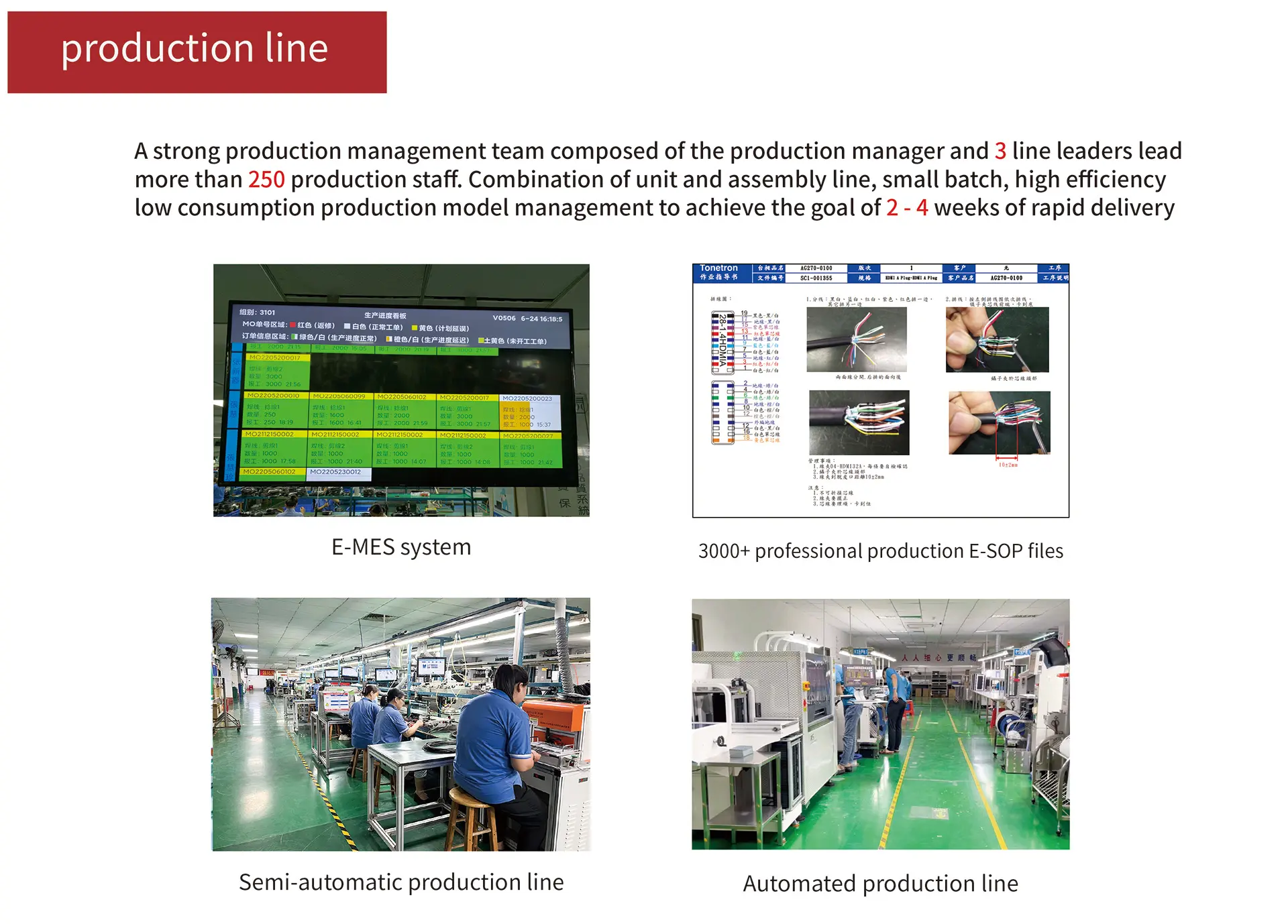
The global electronics supply chain demands both scale and flexibility. Operating from our industrial park in Dalingshan Town, Dongguan City, China, Dongguan Taitron Electronics Limited offers robust supply chain integration. We control the production cycle from raw copper wire drawing, custom insulation extrusion, and precise connector soldering, to automated dual-shot injection molding.
Our facility is designed to meet strict quality control standards. Moving manufacturing from Taiwan to Dongguan in 1993 allowed us to expand our capacity while maintaining high engineering quality.
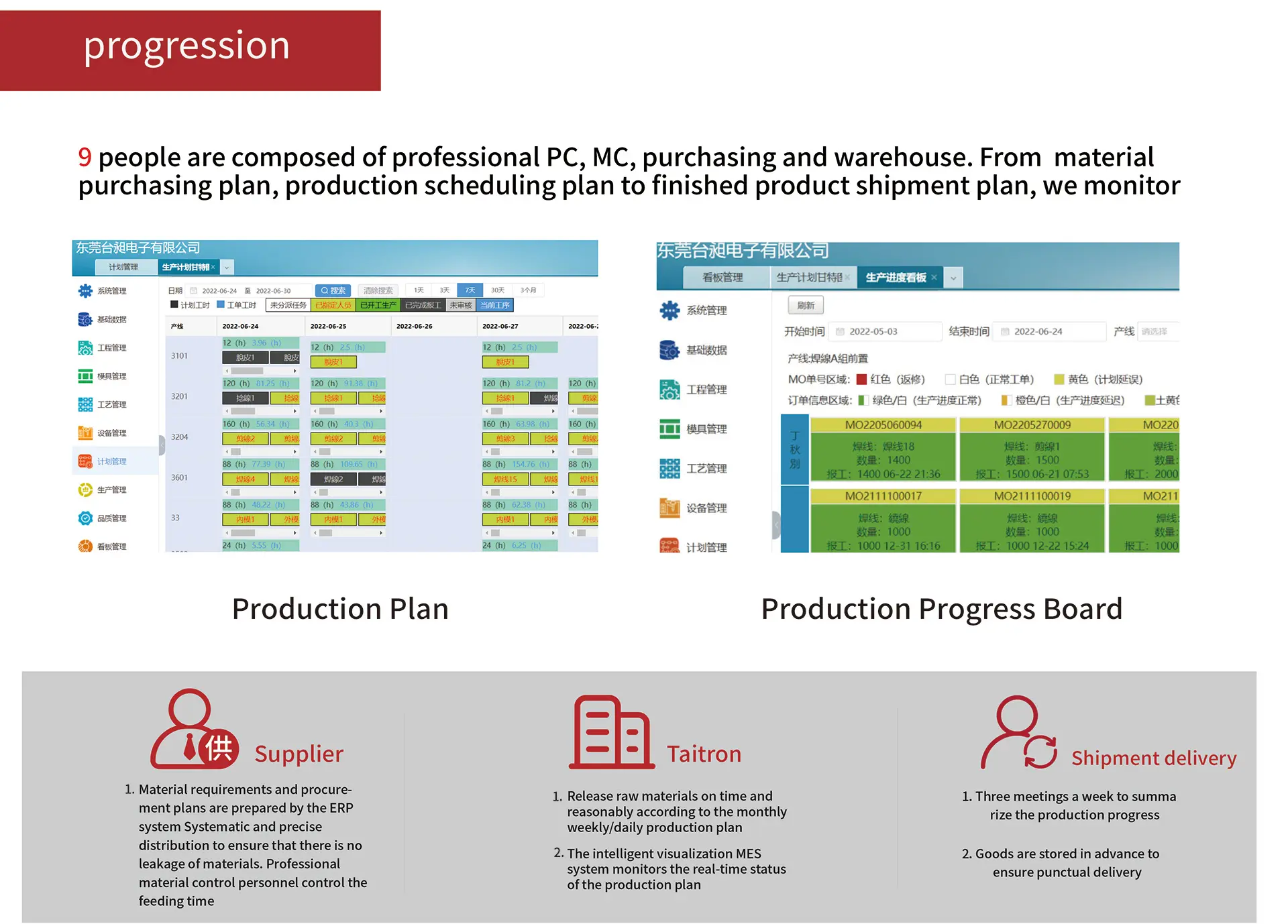
By managing all steps under one roof—from raw materials to final packaging—we insulate our clients from global parts shortages. Our testing laboratory conducts rigorous assessments on every batch, including Time Domain Reflectometer (TDR) impedance tests, salt-spray corrosion resistance tests, multi-axis bending tests, and micro-resistance tracking.
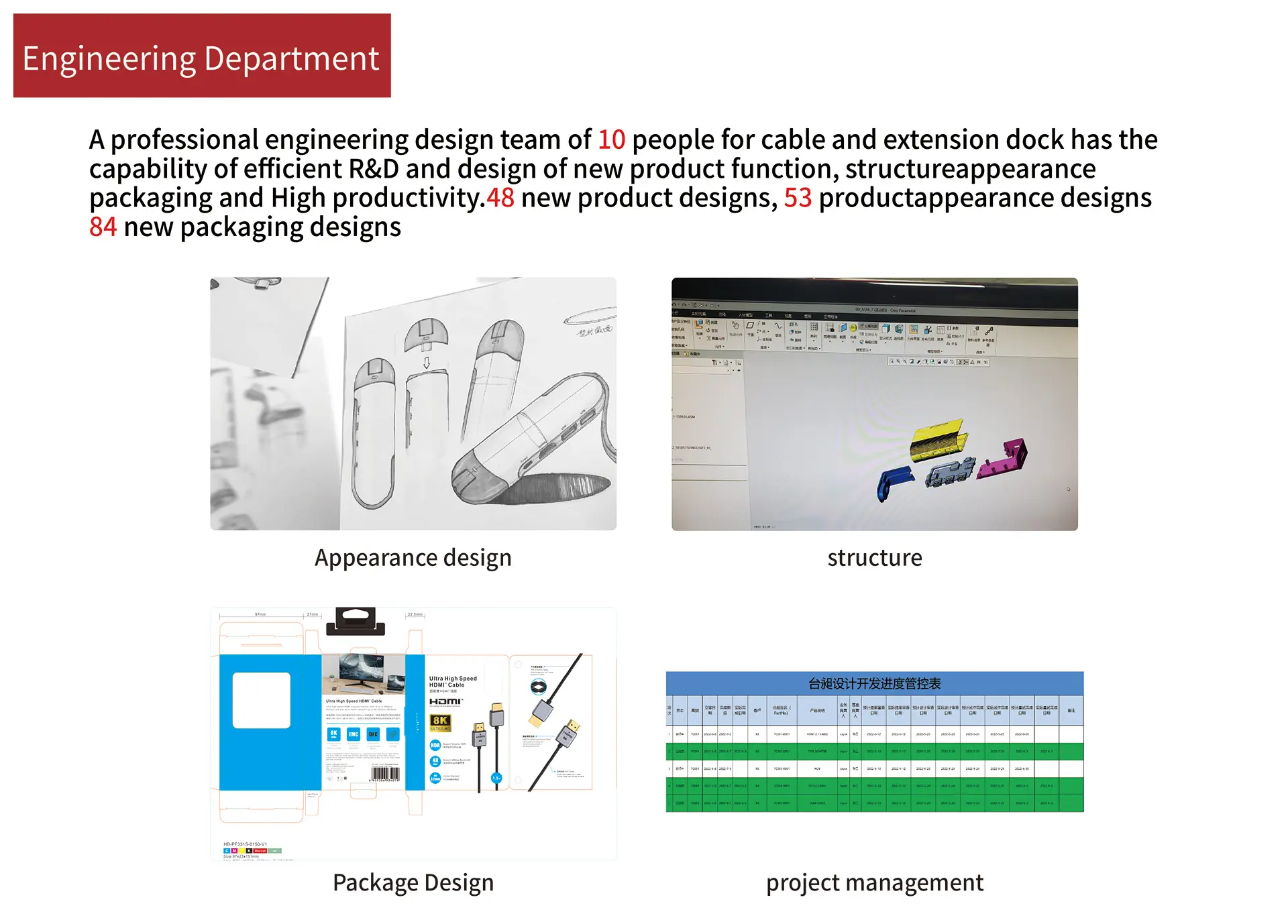

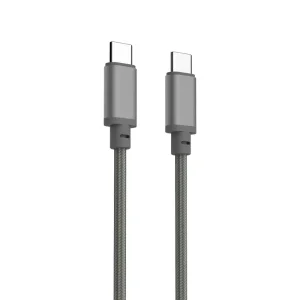
The field of interconnect technology is transitioning to faster standards, but backward compatibility remains critical. The physical USB-A connector is constrained by its 9-pin architecture, which limits it to a maximum speed of 10Gbps (under USB 3.2 Gen 2 specifications). USB Type-C, conversely, uses a 24-pin design capable of support for USB4 (40Gbps/80Gbps) and Thunderbolt protocols.
Our design strategy ensures backward compatibility. The Taitron R&D Roadmap focuses on high-speed conversion solutions, including active optical USB extensions and custom hubs that integrate USB-A and USB-C ecosystems.
Copper USB 3.0 cables typically degrade after 3 meters due to high-frequency signal loss. Our active cable designs use chipsets integrated within the connector shell to boost signals, allowing stable 5Gbps transmissions over lengths up to 10 meters without packet drop.
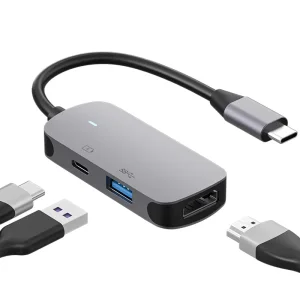
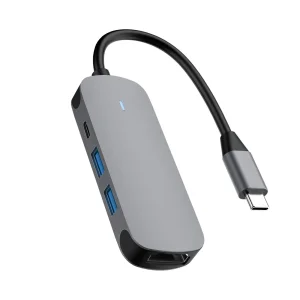
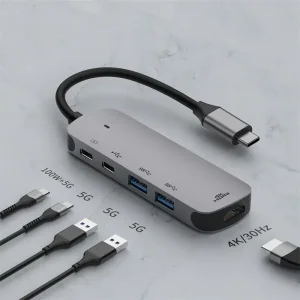
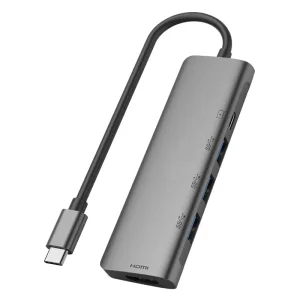
Modern workstations require bridging legacy devices with USB-C hosts. We specialize in custom docking stations (up to 5-in-1 configurations) that integrate Power Delivery (PD 100W) alongside high-speed USB-A ports.
We are transition our manufacturing lines to halogen-free compounds and thermoplastic elastomer (TPE) jackets, reducing environmental impact while maintaining flexibility and thermal stability.
Different environments present distinct challenges for cable assemblies. By understanding these application demands, we customize our manufacturing specs for optimal field performance:
The Challenge: Heavy vibrations in camera assembly lines cause standard USB-A plugs to loose connection.
The Solution: Screw-locking USB 3.0 Type-A connectors that secure to host ports, maintaining electrical contact during high-acceleration movements.
The Challenge: High moisture, dust exposure, and physical pulling by users in outdoor settings.
The Solution: Double-shielded, heavy-duty overmolded cables with internal steel reinforcing plates that absorb physical stress.
The Challenge: Corrosion from salt fog degrades exposed copper contacts, increasing contact resistance.
The Solution: Connectors featuring 30 micro-inches of gold plating and gold-plated shells, surviving 48-hour salt spray testing without degradation.
Exporting to markets in North America, Europe, and Asia-Pacific requires strict adherence to international safety and performance standards. Dongguan Taitron Electronics Limited maintains certification compliance across all production lines:
We also support customized localized packing, barcode integration (GTIN/EAN formats), and drop-shipping logistics for major regional distributors.
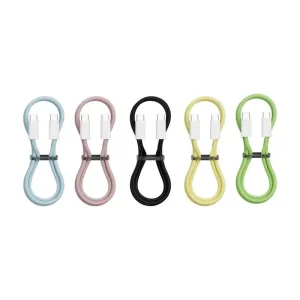
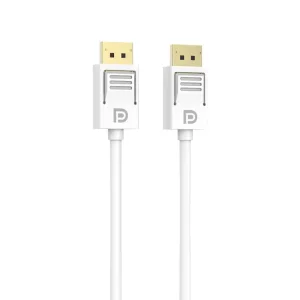
 Taichang Electronic