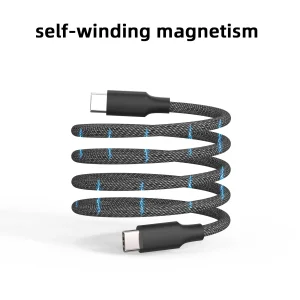
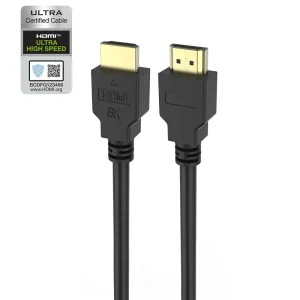
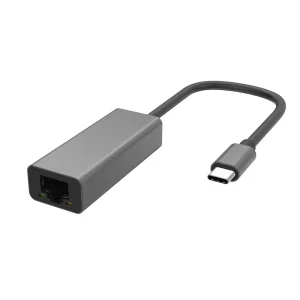
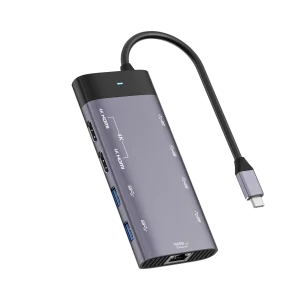
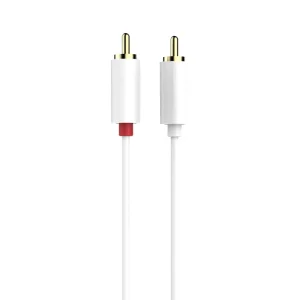
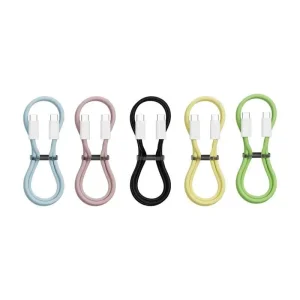
Explore our leading custom adapters, high-speed interfaces, and proprietary magnetic designs engineered for modern global supply networks.
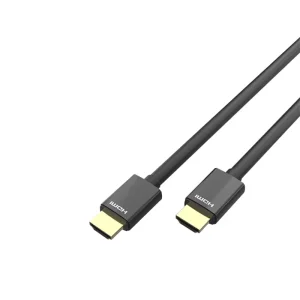
Within the global cable and consumer electronics market, the pairing of a USB-C (Type-C) physical interface with the USB 2.0 transmission standard has emerged as a cornerstone architecture. While technology enthusiasts routinely champion high-throughput protocols such as USB 4.0 or Thunderbolt 4, industrial designers and enterprise procurement managers recognize that the USB-C USB 2.0 configuration represents a highly optimized design choice balancing physical interface universality with cost efficiency, electromagnetic compatibility (EMC), and robust reliability.
Our role as a leading global manufacturer is to translate this design intersection into reliable, high-yield product components. A standard Type-C receptacle features 24 pins, enabling high-speed lanes, power delivery routing, and control lines. In a dedicated USB 2.0 configuration, however, only a subset of these pins is utilized (specifically VBUS, GND, D+, D-, and Configuration Channel (CC) pins). This strategic structural simplification results in significant system advantages:
Quality manufacturing depends on the precise choice of materials. Unlike unbranded, low-tier components, high-quality USB 2.0 C-to-C and C-to-A cables utilize premium twisted-pair copper wire structures for data lines (typically 28 AWG or 30 AWG) alongside larger gauge copper power conductors (22 AWG or 24 AWG) to prevent dangerous voltage drops over extended runs. High-coverage copper braided shielding, coupled with aluminum mylar foil wrap, ensures that electromagnetic emissions remain well below strict CE and FCC limits.
| Data Speed | Up to 480 Mbps |
| Standard PD Range | 60W (20V/3A) to 240W (EPR) |
| Pull-Up Resistor | 56 kΩ for Legacy Hosts |
| Mating Cycles | Min. 10,000 Cycles |
| Insulation Resistance | 10M ohm Min. (300V DC) |
| Jacket Materials | PVC, TPE, Braided Nylon |
*Note: All production batches are subject to comprehensive electrical testing, continuity inspections, and mechanical pull tests.
Over three decades of precision engineering, routing premium audio, video, and high-frequency data connections to clients worldwide.
In 1984, Dongguan Taitron Electronics Limited., formerly known as Tonetron, was founded in Keelung, Taiwan. In 1993, it moved to the self-built independent production industrial park in Dalingshan Town, Dongguan City, China, and changed its name to Dongguan Taitron Electronics Limited.
With over 38 years of professional video and audio peripheral equipment connection line manufacturing as our foundation, we have gradually expanded into high-end audio and video cable and data cable development and manufacturing. Today, our advanced portfolio includes HDMI 2.1 cables, DP 2.0 cables, USB4 data cables, USB-C 3.1 Gen2 data cables, high-power USB charging cables, 8K HD conversion cables, and multi-functional Type-C expansion docks.

How the USB-C interface is adapting to next-generation power profiles and sustainable manufacturing practices.
Integrating Extended Power Range (EPR) circuitry into USB-C USB 2.0 lines to deliver up to 48V at 5A, allowing rapid laptop charging over cost-effective data architectures.
Deploying advanced, automated internal metal shields within the Type-C housing to ensure signal lines remain clean in highly active electro-magnetic fields (e.g., inside vehicle dashboards).
Developing halogen-free, compostable, and bio-derived elastomer outer jackets to help enterprise clients meet Scope 3 carbon reduction targets without compromising on tensile strength.
Our USB-C connectivity configurations are integrated across diverse application environments globally.
Our USB-C USB 2.0 links connect PLC cabinets, HMIs, and diagnostic sensors. The lower clock frequency of USB 2.0 yields exceptional noise immunity, ensuring vital operational telemetry remains clean near heavy electric motors.
We manufacture custom-length cables for passenger compartment USB docks, integrating reliable copper conductors to support rapid charging while connecting to onboard Android Auto or Apple CarPlay systems.
Connecting receipt printers, barcode scanners, and card readers via a single USB-C interface. Taitron cables guarantee 10,000+ mating cycles to withstand demanding retail environments.
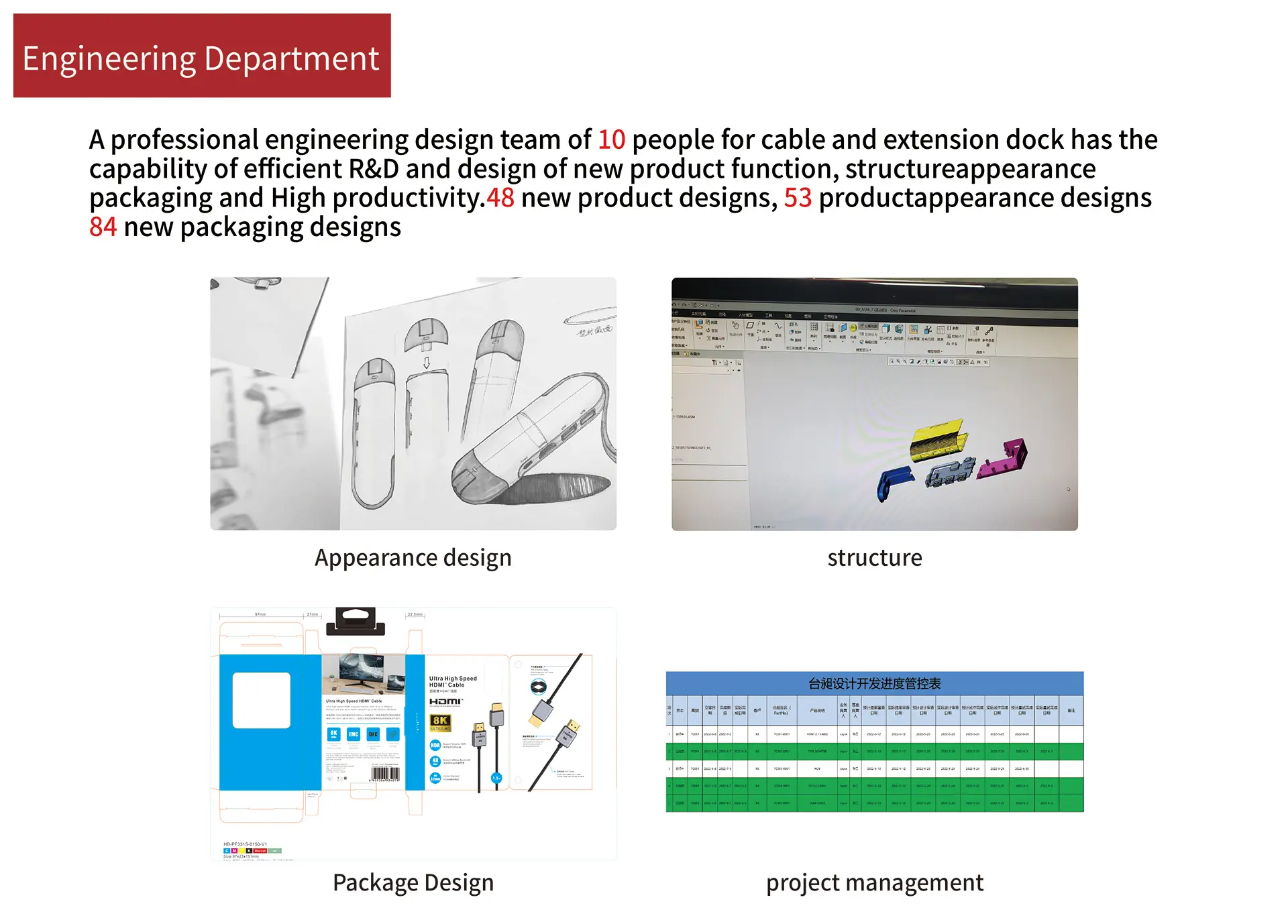
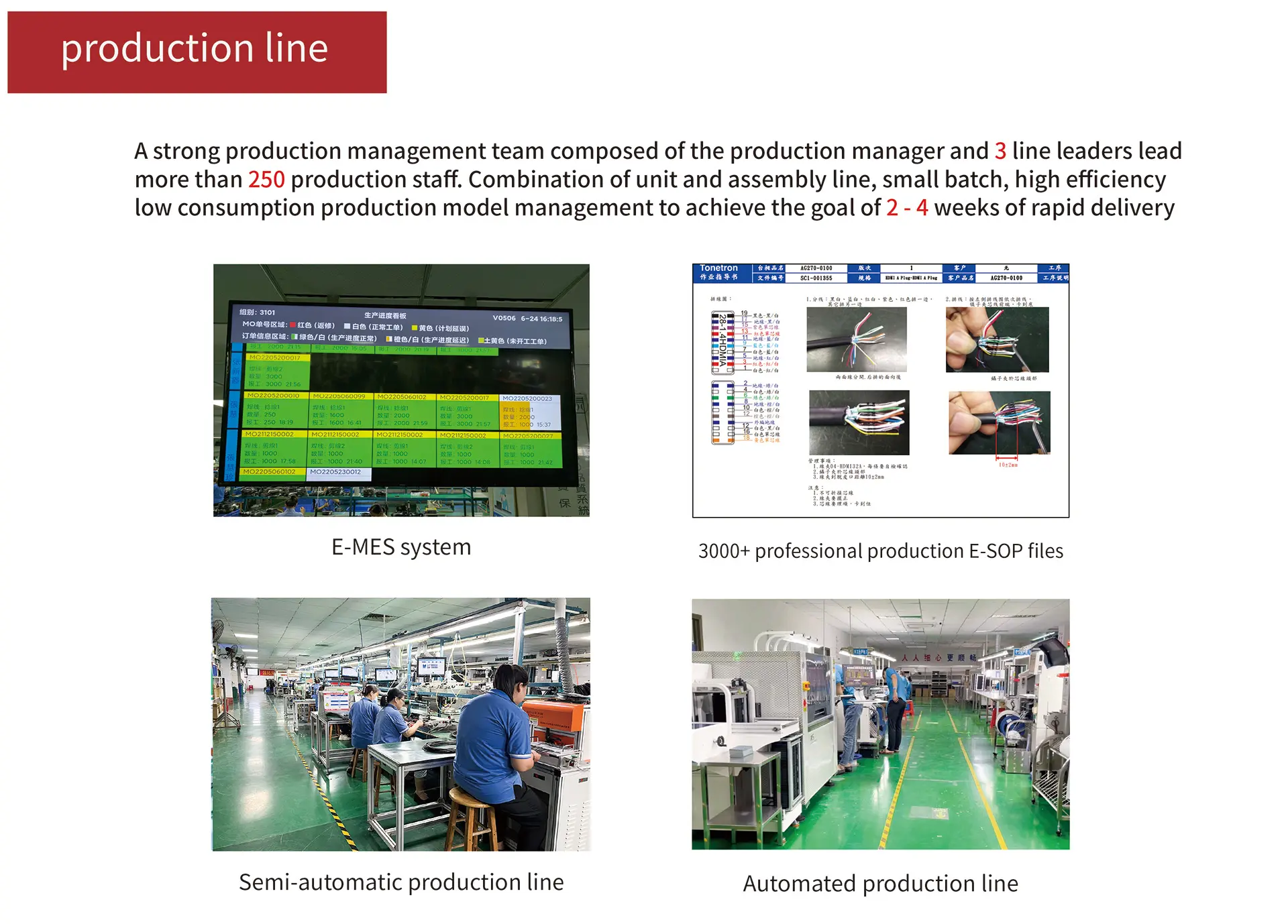
Operating a self-built industrial park in Dalingshan Town, Dongguan, allows Dongguan Taitron Electronics to achieve unprecedented vertical integration. Our manufacturing processes utilize automated machinery, advanced wire extrusion lines, and modern precision soldering methods.
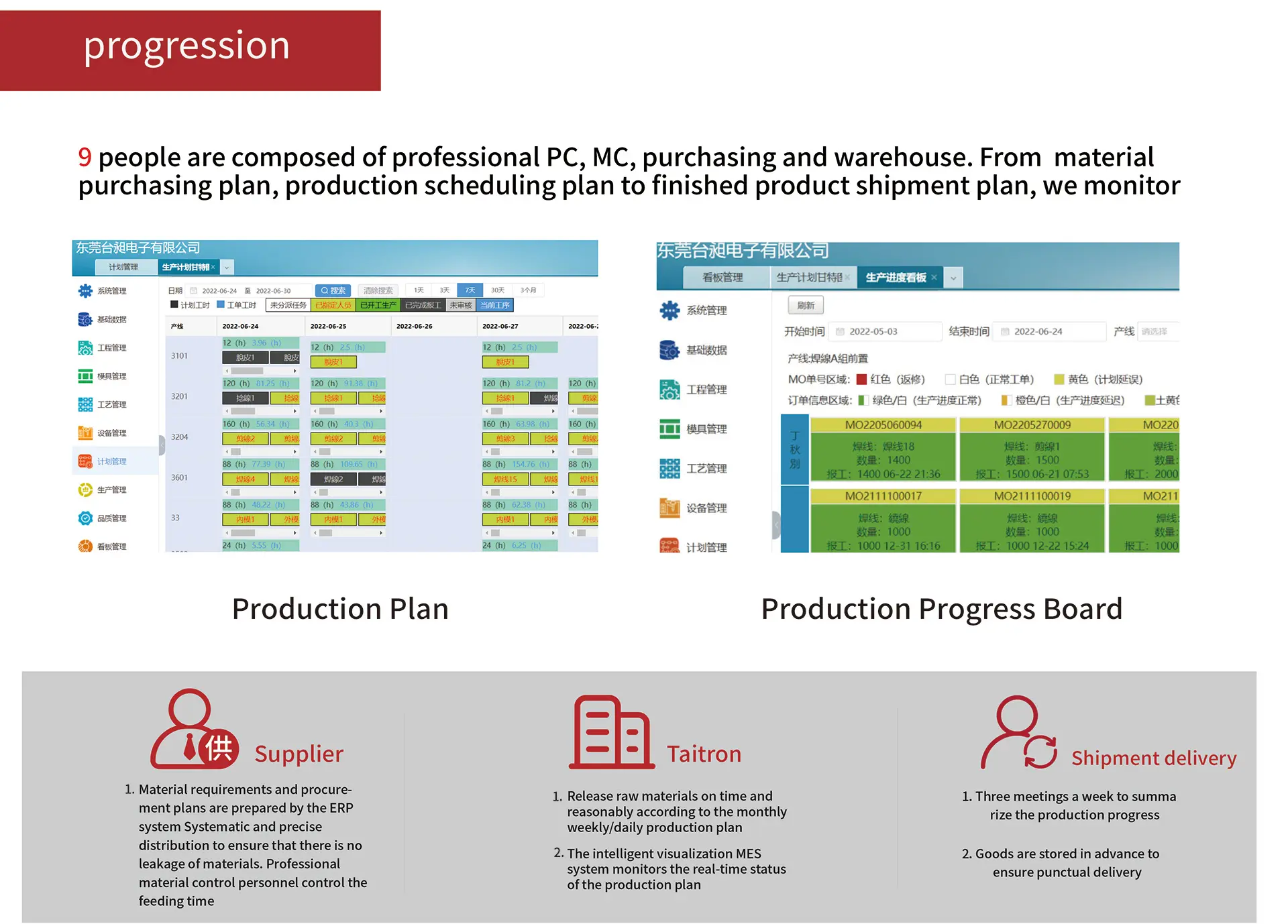
This localized cluster ecosystem allows us to source high-grade raw copper, eco-friendly PVC/TPE granules, and premium semiconductor components within a 50-kilometer radius. The resulting operational efficiency benefits our global clients through reduced lead times and cost-effective pricing structures.
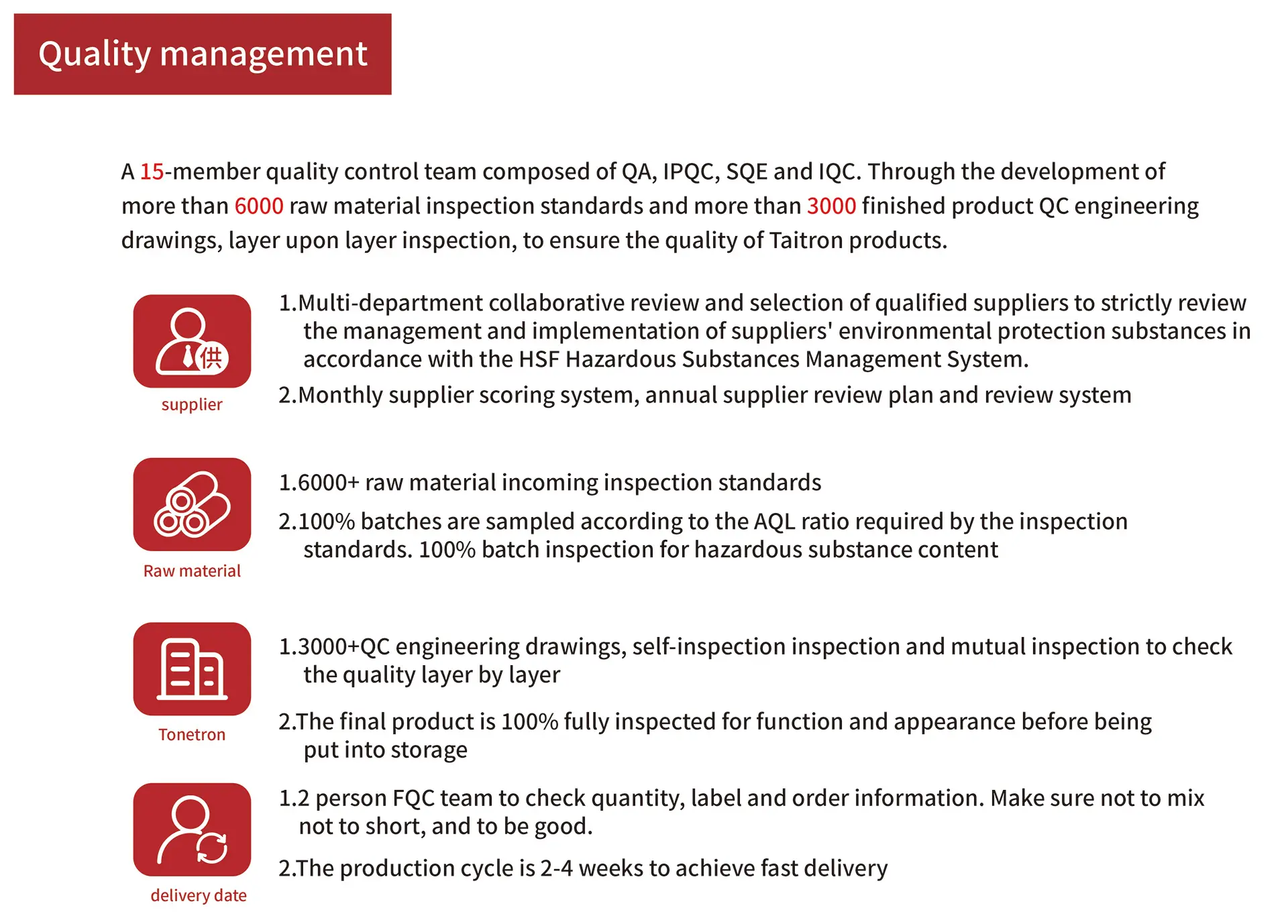
Every single custom USB-C cable must pass strict quality controls, including continuous automated continuity testing, insulation resistance checks, and mechanical strain tests. By maintaining full in-house control over processes like internal molding and final assembly, we ensure our batch quality meets the highest industry standards.
Established in 1984 in Taiwan before expanding into Dongguan, China, in 1993, we offer stable partnership through a self-built industrial park.
From raw copper wire extrusion and outer jacket molding to custom connector tooling and final packaging, we handle the entire process in-house.
We utilize advanced vector network analyzers, bending test equipment, and environmental chambers to ensure zero-defect outgoing quality.
Comprehensive engineering compliance is required to enter strict international consumer and industrial markets.
All products are designed to meet CE, FCC, RoHS, REACH, and WEEE standards, easing customs processing and international retail distribution.
We support multiple shipping terms including FOB, CIF, and DDP, providing door-to-door delivery with duty clearance for our enterprise buyers.
We offer complete customization options including custom lengths, personalized logo engraving, premium packaging, and distinct jacket colors to match your brand identity.
Get answers to common technical, design, and purchasing questions regarding USB-C USB 2.0 solutions.
Explore our full range of certified high-performance AV conversion hubs, robust legacy cables, and card readers.
 Taichang Electronic