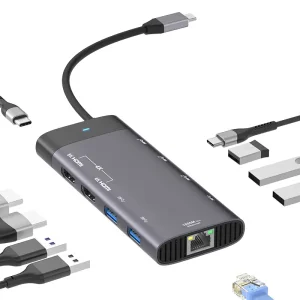
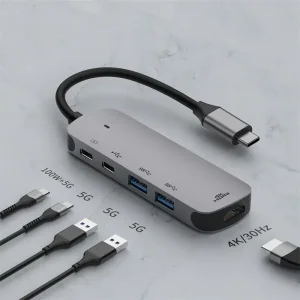
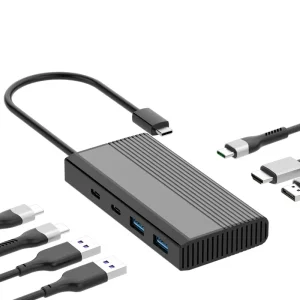
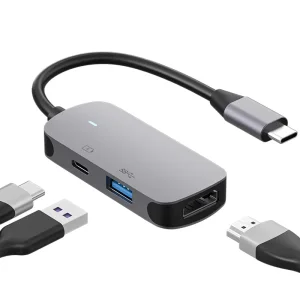
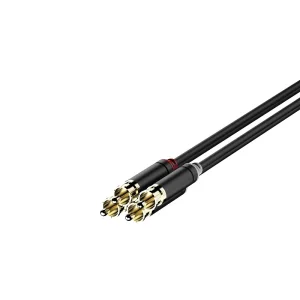
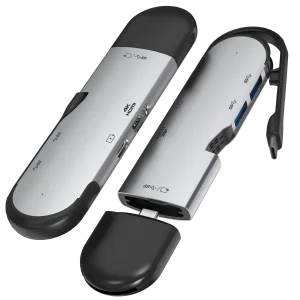
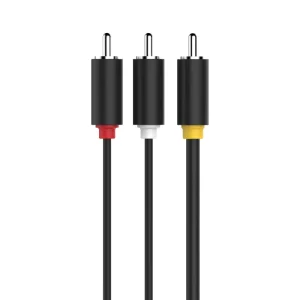
Premium USB-C and multi-stream transport (MST) hubs optimized for South Korea's financial, software development, and industrial workstations.
The Seoul Metropolitan Area, encompassing key economic corridors such as the Gangnam Business District (GBD), Yeouido Financial District (YBD), and tech-heavy Pangyo Techno Valley, represents one of the world's most dense concentrations of high-bandwidth digital infrastructure. The integration of artificial intelligence (AI), machine learning architectures, and remote work modalities in Korea's conglomerates (Chaebols) has created unprecedented demand for reliable display connectivity.
Within financial trading desks in Yeouido, an operator typically commands three to four high-resolution 4K displays to monitor real-time stock markets, trade indexes, and algorithmic pipelines. Similarly, system engineers at Gasan Digital Complex require complex development workstations where data is mirrored or extended across multiple interfaces. This operational reality demands robust Multi-Stream Transport (MST) and HDMI 2.0 infrastructure capable of zero-latency signal processing, structural electromagnetic interference (EMI) protection, and high-frequency stability.
Seoul's dense building constructions rely heavily on composite reinforced concrete and steel structures, which can act as Faraday cages, magnifying localized electromagnetic noise from internal server infrastructures, high-frequency industrial machinery, and surrounding 5G network towers. Standard, unshielded HDMI and USB-C adapters frequently experience signal dropouts, screen flickering, and packet loss in these environments.
Our manufacturing engineering teams at Taitron Electronics address these structural challenges by implementing custom multi-layered shielding frameworks. Using tinned copper braiding and high-quality aluminum-mylar foil wrap, our cables and hubs maintain signal integrity even in close proximity to major industrial hardware arrays, ensuring that corporate clients in Seongsu-dong or Mapo-gu experience uninterrupted digital workflow continuity.
On a global scale, the consumer and commercial electronics markets are undergoing rapid convergence. Legacy DisplayPort (DP) and standard HDMI configurations are transforming into unified Type-C ecosystems powered by USB4, Thunderbolt 4, and advanced DisplayPort Alt Mode protocols. Multi-Stream Transport technology is central to this shift, allowing multiple discrete display signals to be packetized and transmitted over a single physical cable interface.
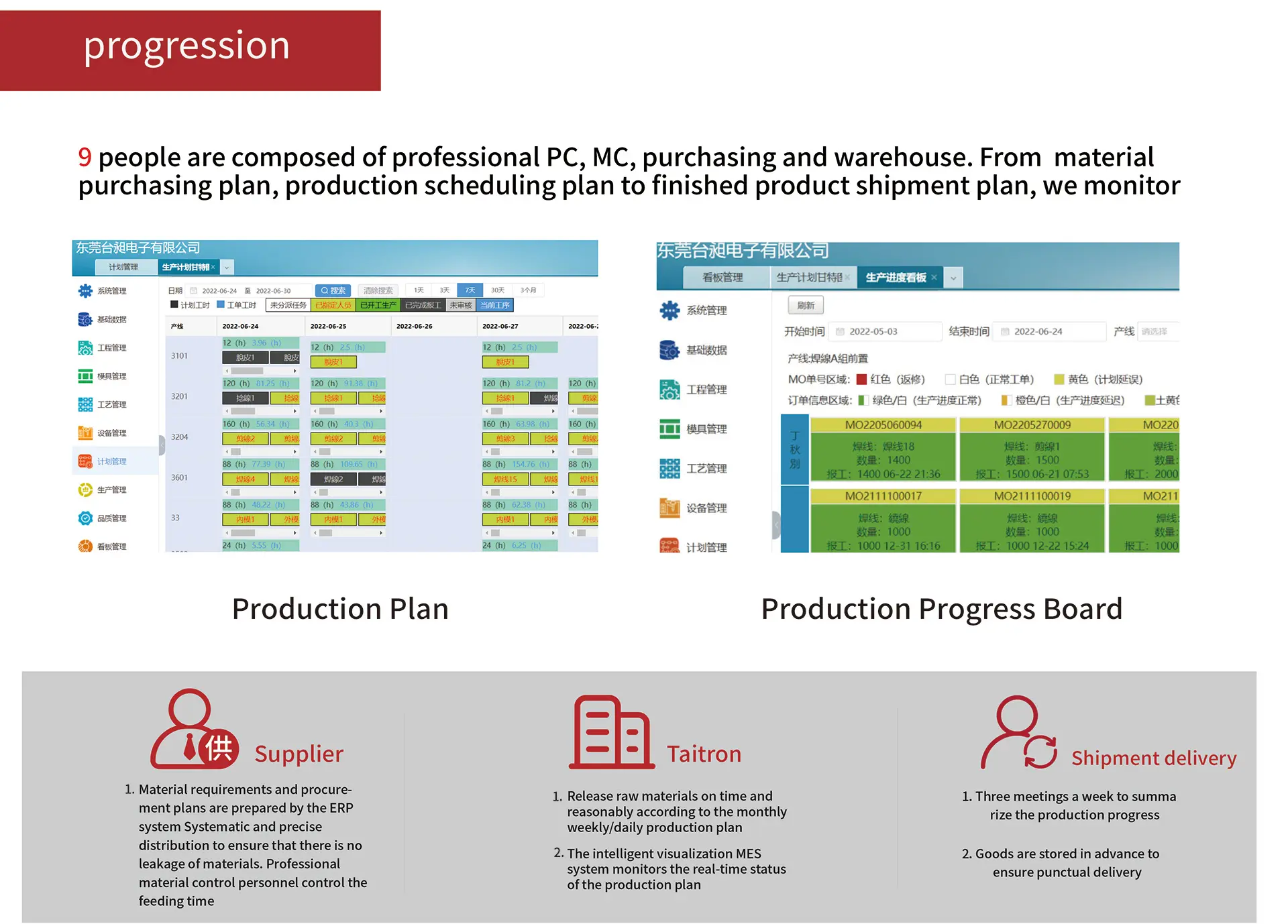
As global supply chains shift toward smarter, more space-efficient office setups, the integration of high-bandwidth docking stations with up to 100W Power Delivery (PD 3.0) and multi-port MST processing has transitioned from a luxury to an enterprise standard. Dongguan Taitron Electronics, with roots tracing back to Keelung, Taiwan in 1984, has been at the forefront of this evolution, scaling production capabilities from early analog connectors to the latest certified digital signal processors.
Why Seoul's leading integration firms, distributors, and corporate IT managers source connectivity hardware from Taitron.

Direct engineering metrics of our enterprise-grade cables, adapters, and multi-stream hubs.
Importing and deploying network and signal infrastructure in South Korea requires compliance with strict safety and performance standards. Electrical safety and signal distortion limits are heavily governed by the National Radio Research Agency (RRA) through the KC (Korea Certification) framework.
At Taitron Electronics, we ensure all components—ranging from high-power USB-C charging stations to active HDMI converter cables—are designed with safety-critical considerations in mind. Our components feature advanced over-current protection, thermal dissipation pathways, and high-quality PCB trace routings to facilitate local KC certification pipelines for our OEM/ODM partners.
The display landscape is transitioning rapidly from HDMI 2.0 to HDMI 2.1 (48Gbps) and DisplayPort 2.0/2.1 (up to 80Gbps). This transformation is driven by the growing popularity of 8K HDR displays, ultra-fast refresh-rate monitors, and high-fidelity video processing.
Taitron Electronics' engineering roadmap focuses on developing integrated optical-electrical hybrid HDMI links and highly optimized MST chipsets. These advanced chipsets are designed to support DSC (Display Stream Compression) protocols, allowing Seoul enterprises to seamlessly transition their existing infrastructures into next-generation high-resolution environments.
From our roots in 1984 Taiwan to our modern industrial production park in Dongguan, China—Taitron Electronics is a reliable global partner for commercial connectivity hardware.
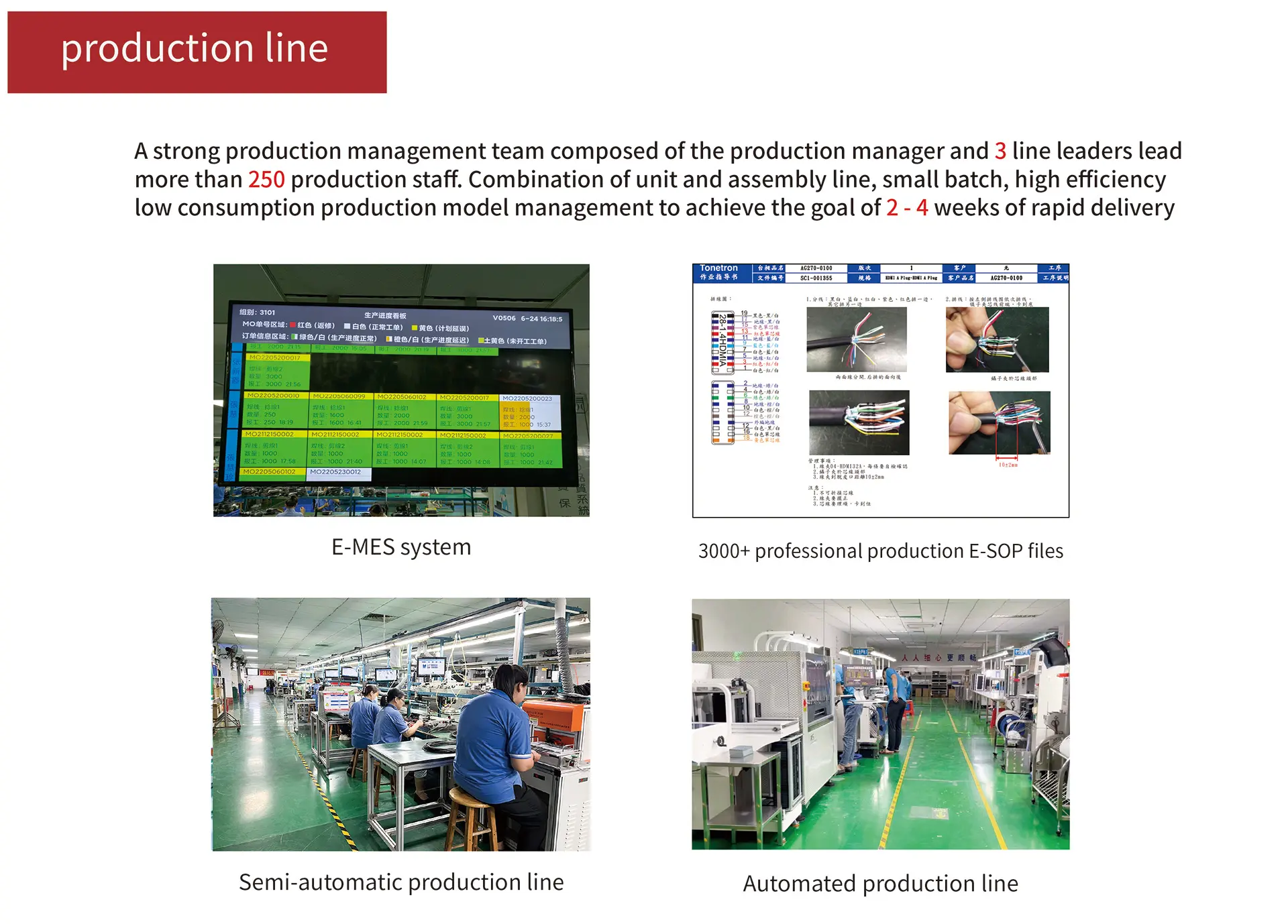
In 1984, Dongguan Taitron Electronics Limited., formerly known as Tonetron, was founded in Keelung, Taiwan. In 1993, to meet growing global demand, we transitioned our manufacturing base to our self-built, independent production industrial park in Dalingshan Town, Dongguan City, China, under the name Dongguan Taitron Electronics Limited.
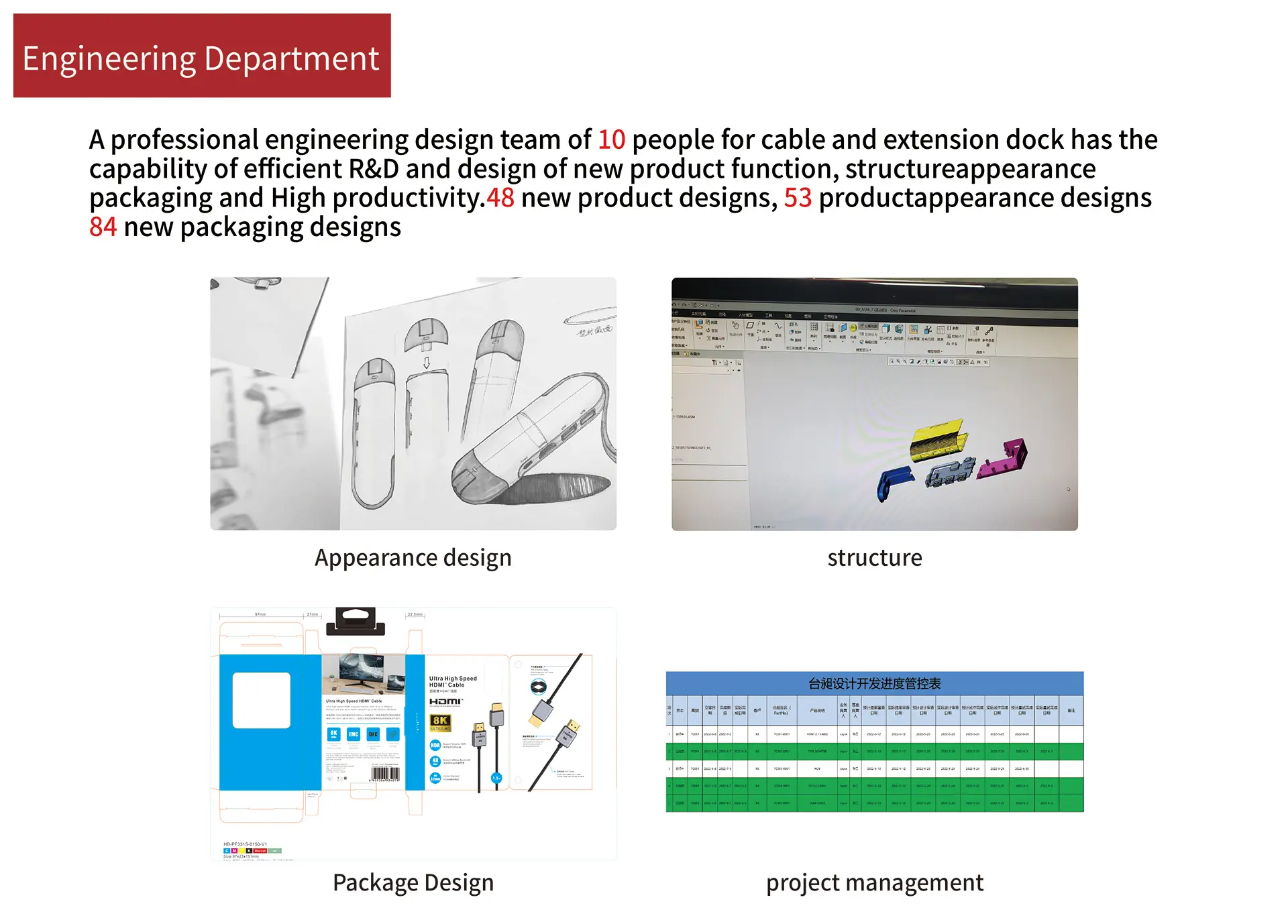
For over 38 years, professional video and audio peripheral connection line manufacturing has served as our core foundation. We have continuously expanded our research, development, and production portfolios. Today, our engineering department designs and manufactures high-end audio and video cables, high-power USB data cables, and multifunctional Type-C hubs, including advanced HDMI 2.1 cables, DP 2.0/2.1 cables, USB4 connections, and smart multi-port MST docking stations.
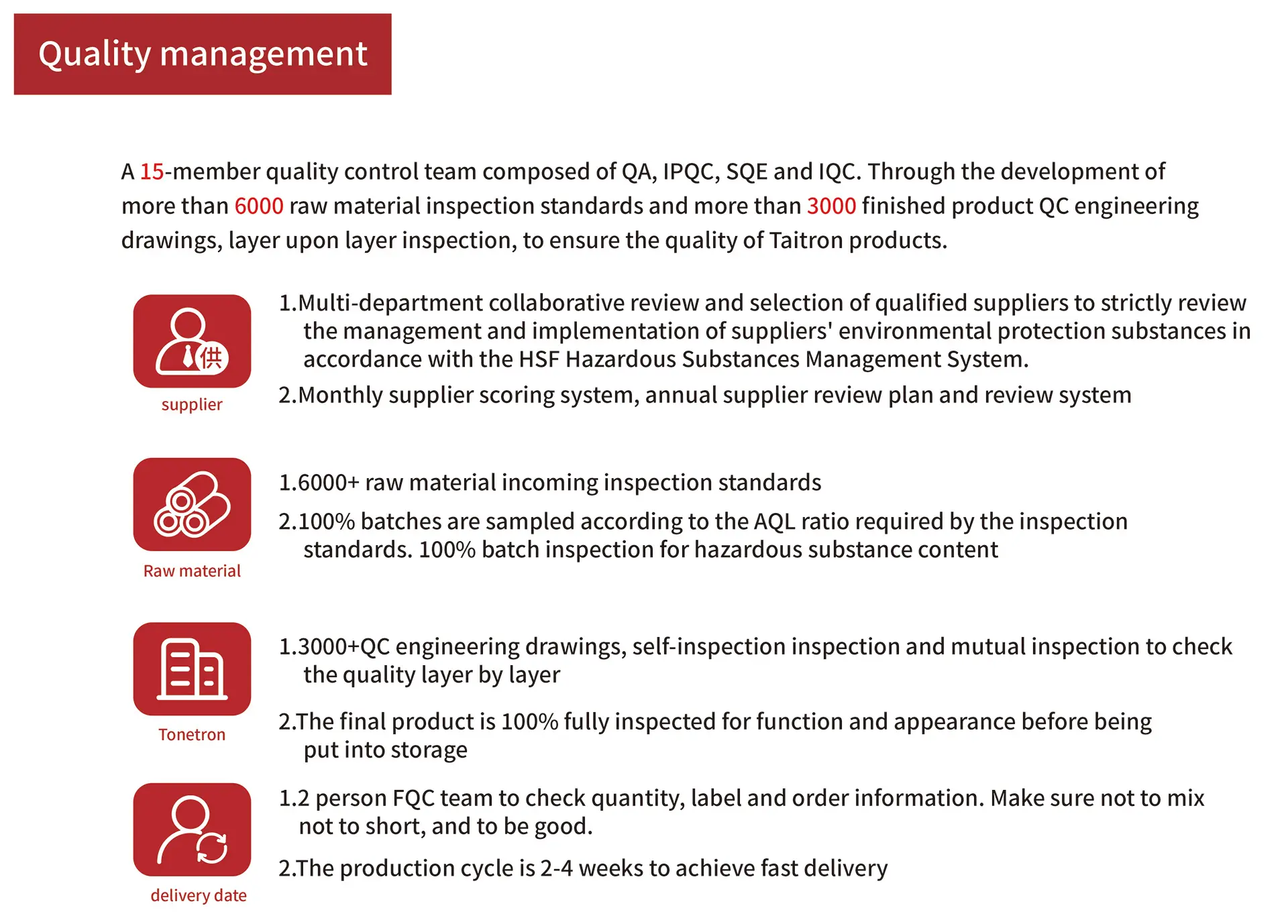
Our quality management division maintains strict standards, employing automated optoelectronic inspections, advanced TDR network analyzers, and environmental testing chambers. These rigorous measures ensure our products meet or exceed international standards, including CE, FCC, RoHS, and local KC safety benchmarks.

Explore our extensive range of high-performance HDMI 2.0/2.1 cables, USB-C adapters, and legacy audio-video cables available for bulk OEM/ODM distribution in the Seoul market.
Clear, technical answers to common queries regarding multi-stream transport (MST), HDMI 2.0 specifications, and localized integration.
No, macOS does not support the MST protocol for extending independent screens over a single connection. When using an MST docking station with a Mac, all connected external screens will mirror each other (Single Stream Transport, or SST). To extend multiple independent monitors on a Mac, you need dual upstream cables connected directly to your computer or must use a docking station with DisplayLink driver-based technology.
HDMI 2.0 has a maximum bandwidth limit of 18.0 Gbps. This bandwidth supports display signals up to 4K@60Hz with 8-bit color depth. It cannot support 4K@120Hz without chroma subsampling (e.g., 4:2:0 compression), which can reduce text clarity for business workstations. To run 4K@120Hz or 8K resolutions natively without compression, you will need to upgrade to HDMI 2.1 (which supports up to 48 Gbps) or DisplayPort 1.4/2.0 connections.
We build our cables and MST hubs with advanced multi-shielding barriers. Our designs feature tinned copper braids, aluminum-mylar foils, and custom zinc-alloy or aluminum housings. These layers block and absorb environmental high-frequency noise from wireless networks and industrial machinery, preventing signal dropouts and screen flickering.
Yes. As a long-standing OEM/ODM manufacturer, we design our power management and internal circuits to comply with KC guidelines. We provide testing data and documentation to help our local partners obtain South Korean market clearance quickly.
MOQ varies by product type (typically 1,000 units for custom cable configurations and 500 units for complex MST docking stations). Standard lead times for initial production runs are 30 to 45 days after design sign-off, which includes raw material sourcing, multi-stage PCB testing, and final quality control checks.
Optimize your product line or commercial workstations with Taitron's high-performance MST hubs and certified HDMI systems. Partner with an industry manufacturer built on 38 years of quality engineering.
 Taichang Electronic