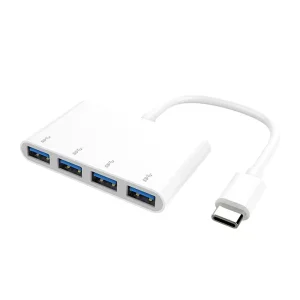
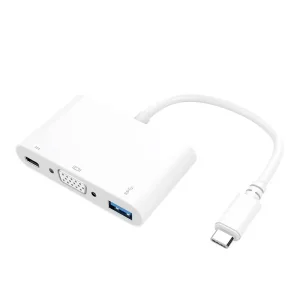
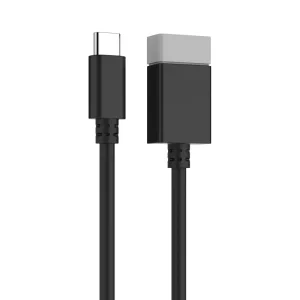
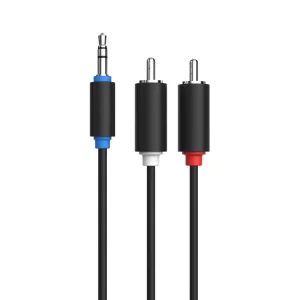
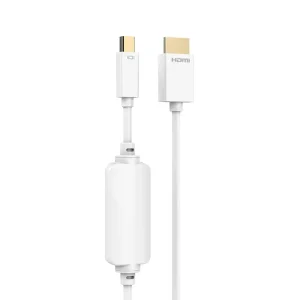
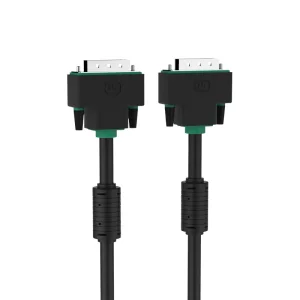
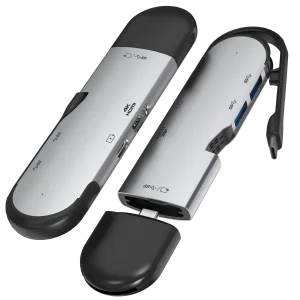
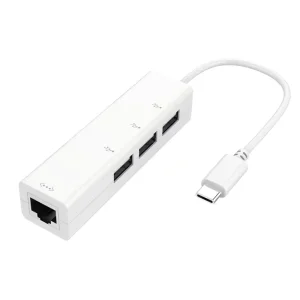
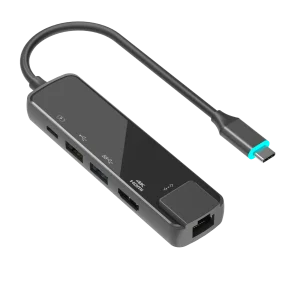
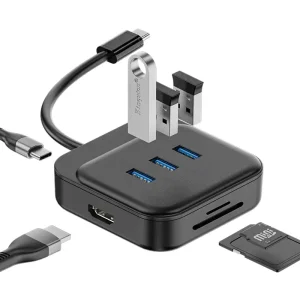
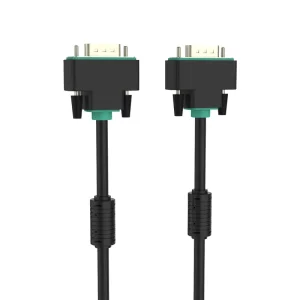
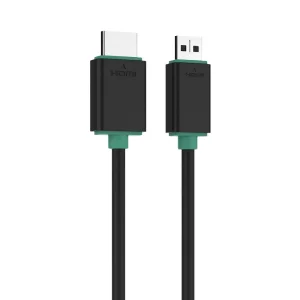
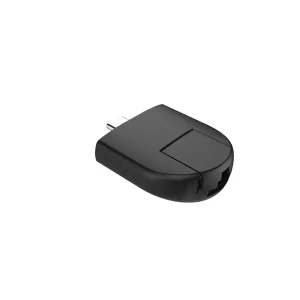
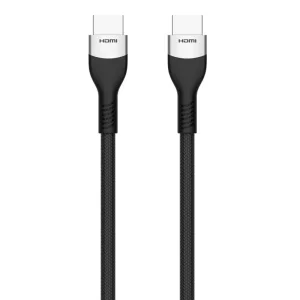
Explore our highly specified product ranges engineered for premium audio-visual, data-transfer, and networking applications.
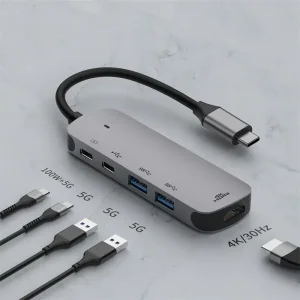
In the modern ecosystem of computational hardware, the physical architecture of devices has evolved toward ultra-thin profiles, resulting in the exclusion of legacy interface ports. The most critical omission from professional-grade notebooks, industrial tablets, and thin clients is the standard registered jack 45 (RJ45) Ethernet port. Simultaneously, global commercial industries, industrial automation zones, and financial centers demand absolute transmission security, zero latency, and electromagnetic interference (EMI) proof data networks. This conflict is resolved by the deployable technology of the RJ45 to Type-C converter.
As a leading manufacturer based in Dongguan, China, with roots stretching back to 1984 in Taiwan, we analyze the structural requirements, engineering practices, and economic considerations of manufacturing, importing, and deploying RJ45 to Type-C interfaces on a global scale.
The integration of Type-C to Ethernet (RJ45) technology extends far beyond simple consumer dongles. It is a critical component for several macro-level industrial applications:
"System stability starts at the physical layer. By combining premium copper conduits with highly resilient copper/tin braiding and active microchip controllers, we achieve maximum transmission uptime in complex EMI environments."
A high-performance RJ45 to Type-C adapter is not merely a pass-through component; it is an active bus-powered network interface controller. Our engineering division optimizes the following internal parameters:
The heart of our converter utilizes elite chipsets from Realtek (e.g., RTL8153 / RTL8156) and ASIX (e.g., AX88179A). These chipsets provide hardware-level support for IPv4/IPv6 checksum offload engine (COE), crossover detection and auto-correction (Auto-MDIX), TCP Large Send Offload, and IEEE 802.3az Energy Efficient Ethernet. We pre-flash the integrated EEPROM with optimized firmware configurations to guarantee native, driverless compatibility with Windows, macOS, Linux, Chrome OS, and Android platforms.
USB 3.1/3.2 Gen 1/Gen 2 data transfers operate at high frequencies (up to 10Gbps), which can produce broadband noise that interferes with 2.4GHz wireless devices. To prevent this, our production lines construct a multi-stage shielding protocol:
B2B buyers, procurement officers, and engineering leads must navigate a complex supply chain environment. The pricing of physical converters depends on copper market indexes, semiconductor lead times, aluminum extrusion processing capacities, and environmental regulatory fees.
Operating out of Dalingshan Town, Dongguan, Taitron Electronics occupies a highly optimized geographical hub. With immediate access to Shenzhen’s component market and Guangzhou’s shipping channels, we manage volatile pricing shifts by maintaining direct long-term contracts with silicon foundries. This vertical integration allows us to deliver consistent custom quotes that protect B2B margin profiles, especially for high-density configurations like multi-in-1 modular adapters and high-power charging docking stations.
To deploy hardware components globally, products must align with strict regional compliance frameworks. Dongguan Taitron Electronics manages certification protocols at the factory level:
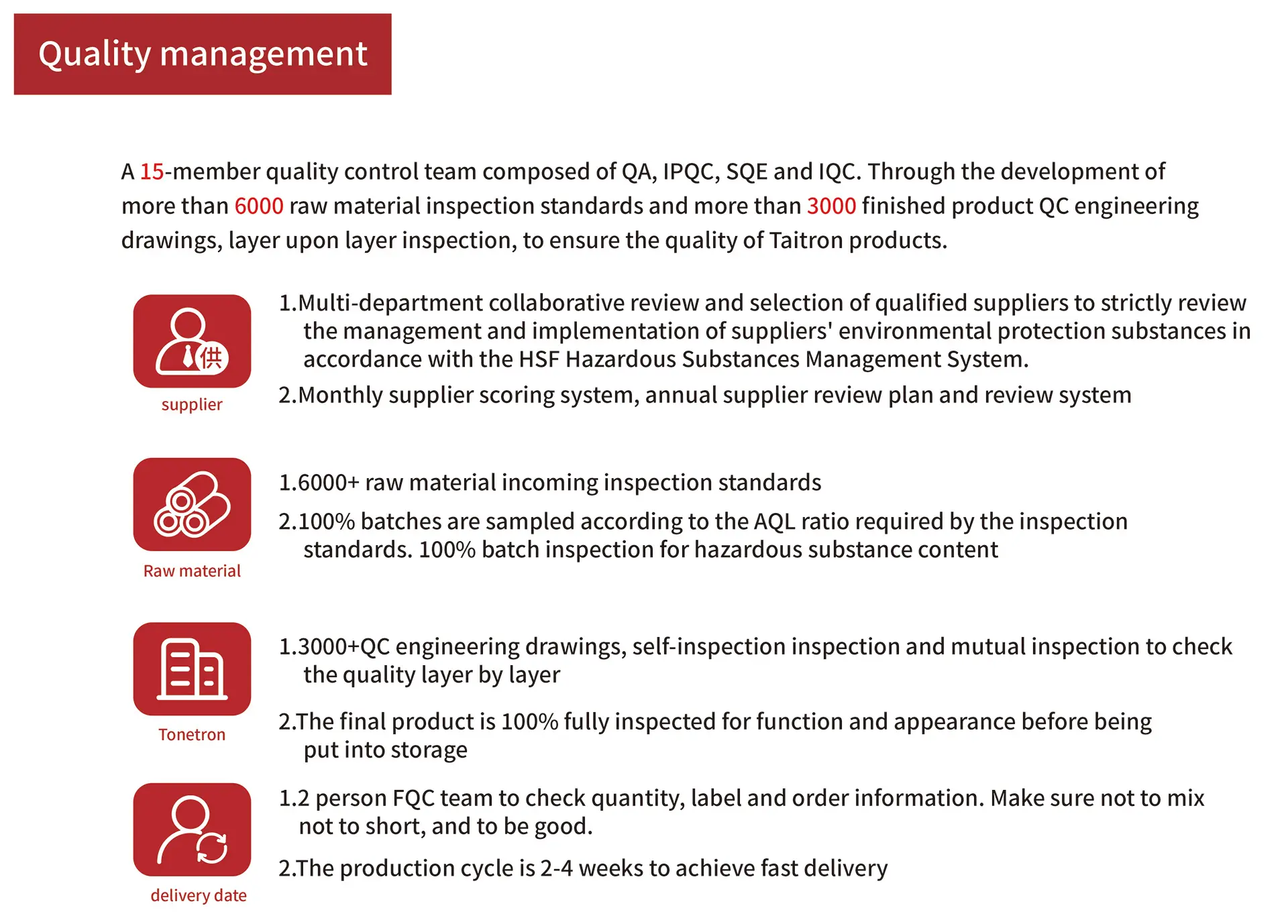
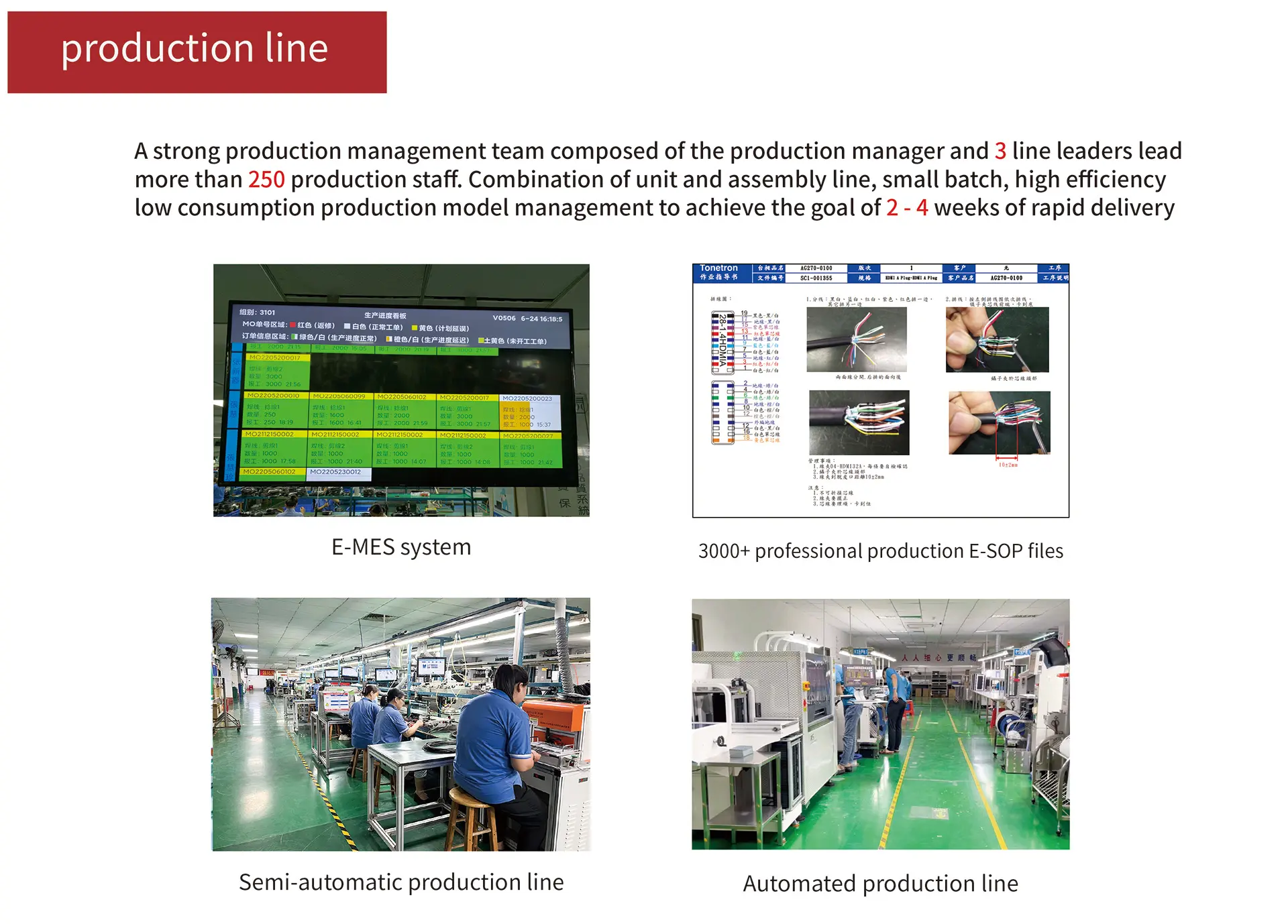
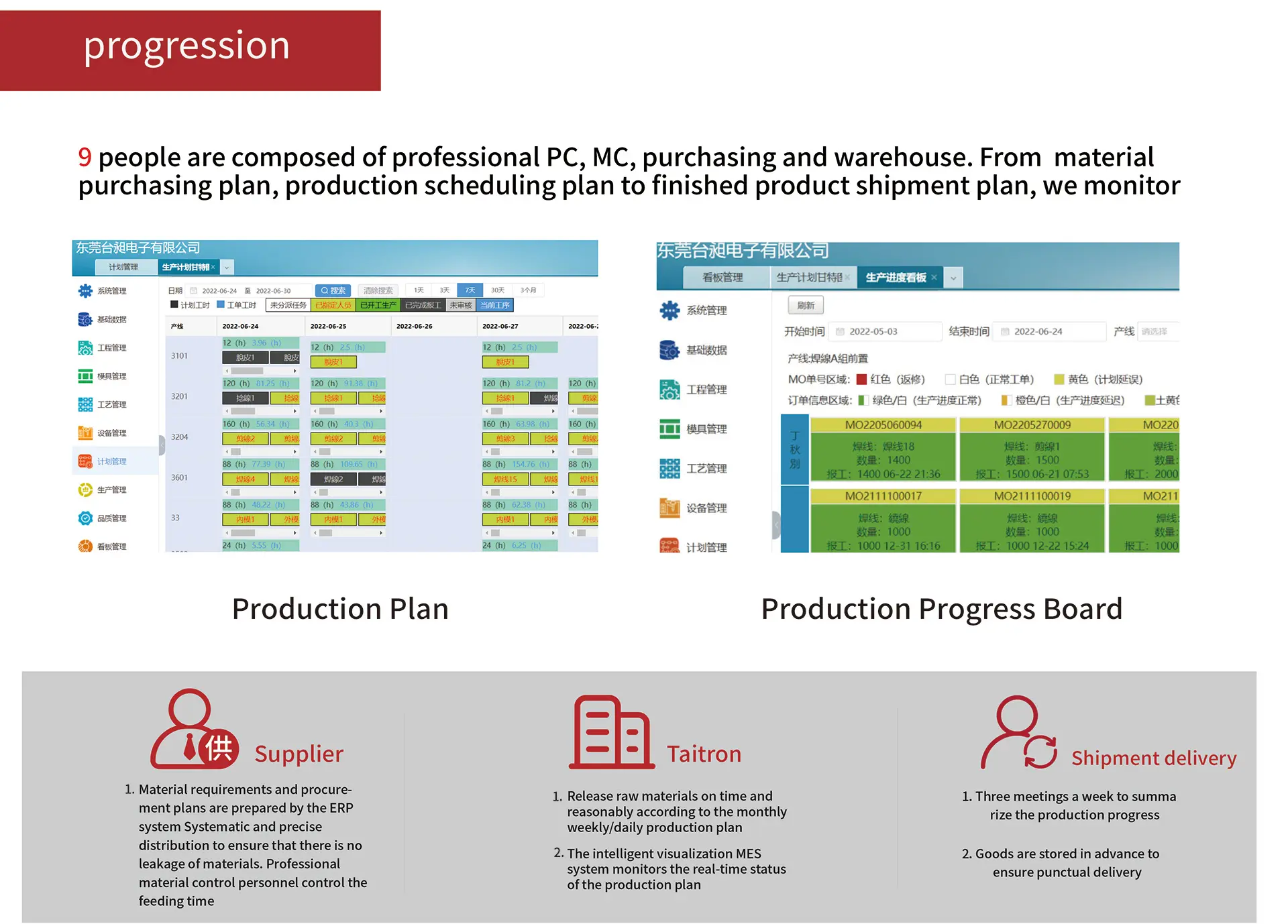
Our organization’s story reflects the development of modern computing interfaces. Founded as Tonetron in Keelung, Taiwan, in 1984, the business expanded production capacity in 1993 by establishing a self-built industrial park in Dalingshan Town, Dongguan, China, and renaming the entity to Dongguan Taitron Electronics Limited.
Over the course of 38 years, our engineering department has evolved from producing basic analog video/audio lines to manufacturing ultra-high-bandwidth interfaces. Our current competencies include HDMI 2.1 cables, DP 2.0 cables, USB4 data channels, USB-C 3.1 Gen 2 systems, 8K high-definition conversion hardware, and multi-functional Type-C expansion docks.
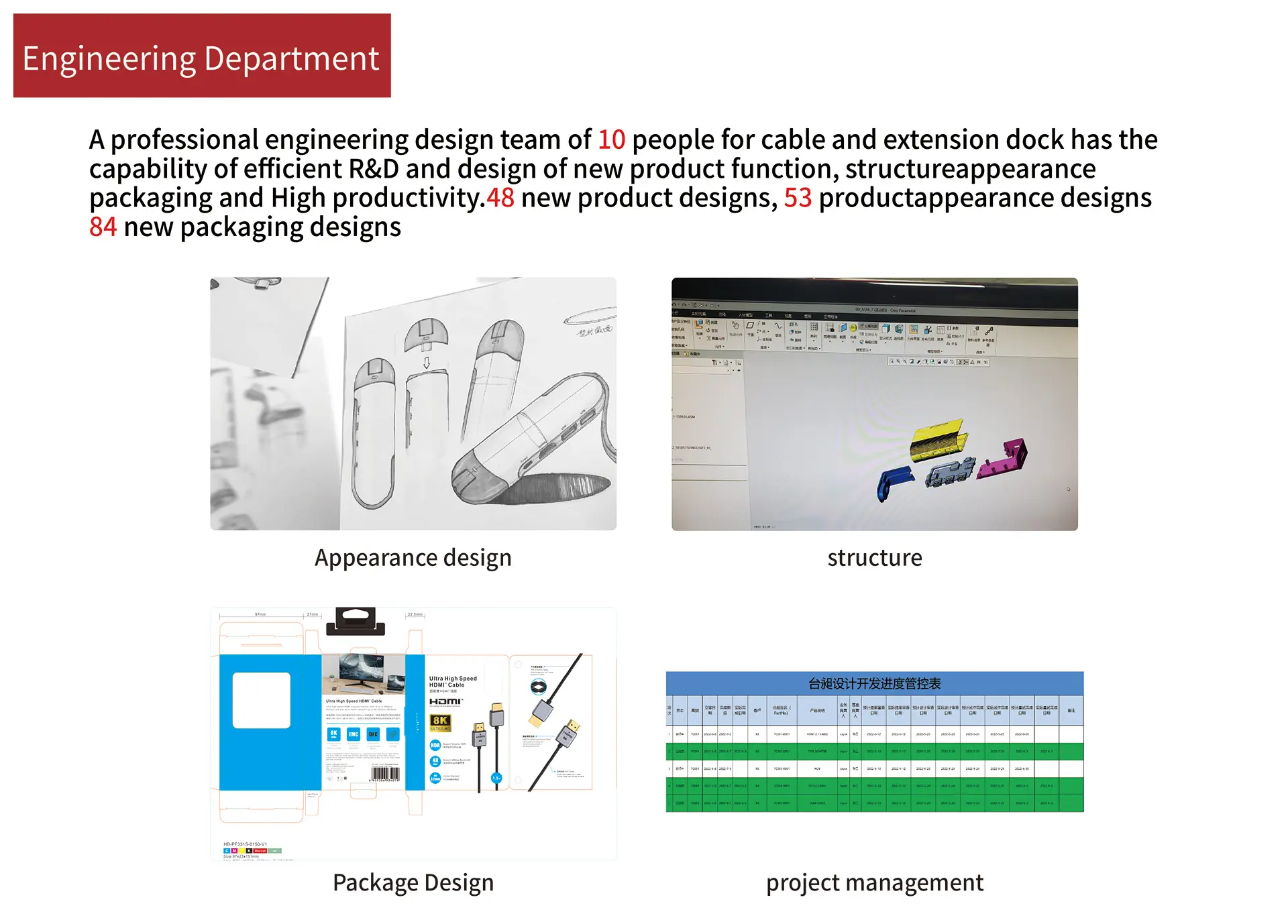

As Ethernet network infrastructures pivot from standard 1Gbps (Gigabit) configurations toward multi-Gigabit Ethernet (2.5G/5G/10G) systems, physical Type-C converters are adapting to meet higher bandwidth needs. Our technical roadmap focuses on these critical developments:
Deep answers to help procurement managers and network engineers make informed manufacturing and deployment choices.
Browse our additional high-speed adapters, audio-visual components, and rugged gaming display cords.
 Taichang Electronic