Premium OEM/ODM hardware adapters designed for rigorous networking and peripheral expansion applications.
An in-depth whitepaper on commercial demand, technical utility, and network migration frameworks.
In today's hyper-connected industrial and enterprise environments, stable network architecture serves as the lifeblood of operations. While wireless networking protocols like Wi-Fi 6E and Wi-Fi 7 dominate consumer markets, industrial and commercial applications demand the unyielding stability and security of a physical Ethernet line. The USB 2.0 LAN adapter (often designated as a USB-to-RJ45 dongle) remains a vital, highly reliable bridge between modern computed interfaces and local area networks.
From a global procurement standpoint, sourcing high-quality USB 2.0 Ethernet adapters requires balancing raw performance requirements, long-term operational durability, and cost efficiency. For businesses looking to purchase these components in bulk, partner selection is no longer simply about finding the lowest unit cost. Instead, it involves analyzing manufacturer capacity, component certification, quality control pipelines, and the structural longevity of the physical connection systems.
Modern devices feature USB 3.0, USB4, and Thunderbolt ports. However, USB 2.0 LAN adapters occupy a major segment in industrial setups. USB 2.0 ports require less overhead, draw significantly lower power, run cool under constant workloads, and provide the exact 100 Mbps (Fast Ethernet) bandwidth required for programmatic tasks, IoT monitoring, and embedded hardware interfaces.
To understand the high-volume demand for discount USB 2.0 LAN adapters, we must evaluate where these components are actually deployed. The applications extend far beyond connecting a laptop with a broken built-in network card:
Clinical settings use legacy ultrasound, ECG, and imaging hardware that runs on dedicated OS architectures. A certified USB 2.0 LAN controller ensures real-time packet delivery without hardware conflicts.
Self-checkout counters and POS systems require uninterrupted, secure connections. Utilizing USB to Ethernet dongles ensures that transactions process via reliable local wiring, eliminating wireless dropouts.
Embedded systems on assembly lines rely on PLC (Programmable Logic Controller) configurations. A USB 2.0 LAN adapter offers a low-cost, space-saving ethernet port to devices built without built-in RJ45 physical ports.
Understanding the internal integrated circuits, driver layers, and network performance standards.
At the center of every high-performing network adapter lies a dedicated silicon chip—the USB-to-Ethernet controller. The stability, device compatibility, and packet transfer speed depend directly on the chosen controller chip. In the B2B supply chain, typical chipsets include the ASIX AX88772 series (AX88772A, AX88772B, and AX88772C) and the Realtek RTL8152B. Sourcing companies must understand these technical variations to prevent compatibility errors in deployment.
These integrated circuits (ICs) manage the physical layer (PHY) and media access control (MAC) operations. They handle IEEE 802.3 10Base-T and 100Base-TX standards, enabling auto-negotiation between different network segments. For custom enterprise deployments, matching the operating system kernel drivers (such as Linux CDC-ECM or CDC-NCM drivers) to the adapter chip prevents the need for manual driver installations, allowing for seamless plug-and-play operation.
When purchasing LAN adapters for client deployment, look closely at these parameters to ensure high performance and strict compliance:
Analyzing Dongguan's manufacturing infrastructure, supply chain density, and cost optimization methodologies.
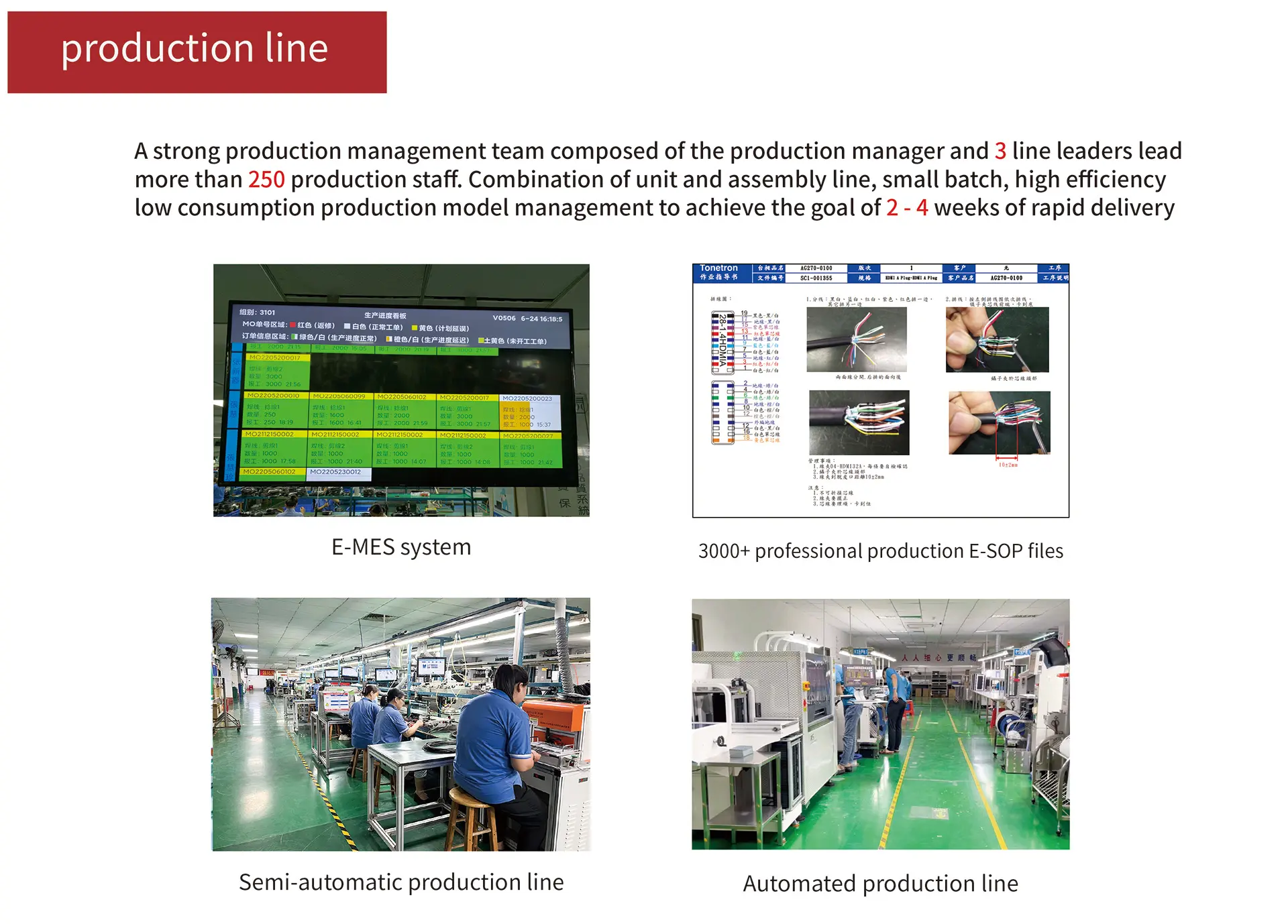
Western procurement managers often ask how Chinese cable and adapter manufacturers can deliver high-reliability components at highly competitive prices. The answer lies in the deep manufacturing ecosystems established in industrial hubs like Dongguan. The concentrated presence of raw material suppliers, chip packagers, SMT (Surface Mount Technology) assembly lines, and specialized testing facilities allows Chinese factories to operate with unmatched speed and efficiency.
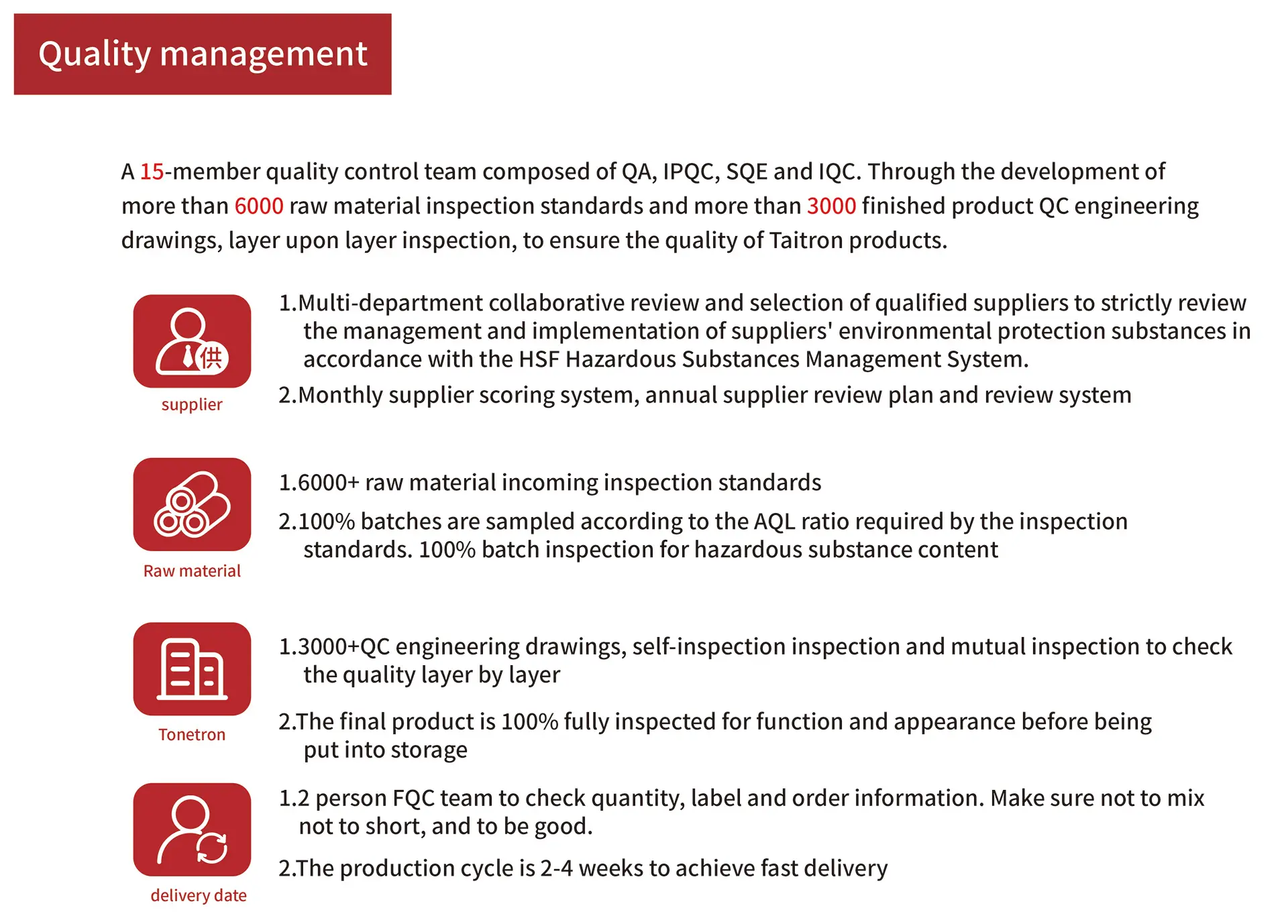
In addition to raw speed, Dongguan factories utilize advanced quality management systems. Modern automated optical inspection (AOI) equipment and high-precision network analyzers test every single LAN adapter for continuity, impedance, and bandwidth throughput. This automated testing process guarantees high product reliability, keeping defect rates well below the industry standard (often under 0.1%). By partnering with a vertically integrated manufacturer, global companies can securely source custom OEM/ODM adapters, customize colors and branding, and secure volume discounts.
38+ years of engineering excellence and manufacturing precision in high-end data and AV connection systems.
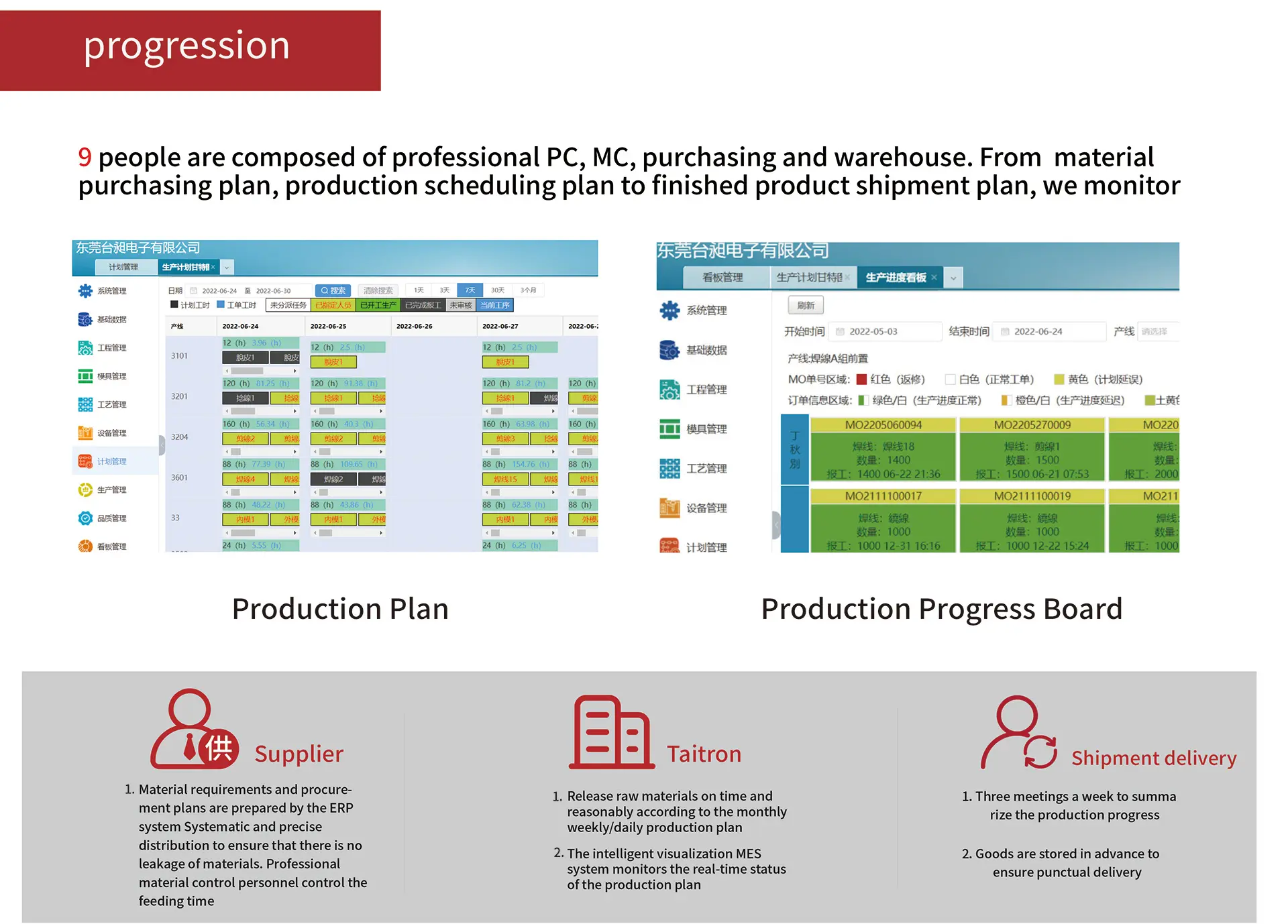
In 1984, Dongguan Taitron Electronics Limited., formerly known as Tonetron, was founded in Keelung, Taiwan. In 1993, it moved to the self-built independent production industrial park in Dalingshan Town, Dongguan City, China, and changed its name to Dongguan Taitron Electronics Limited.
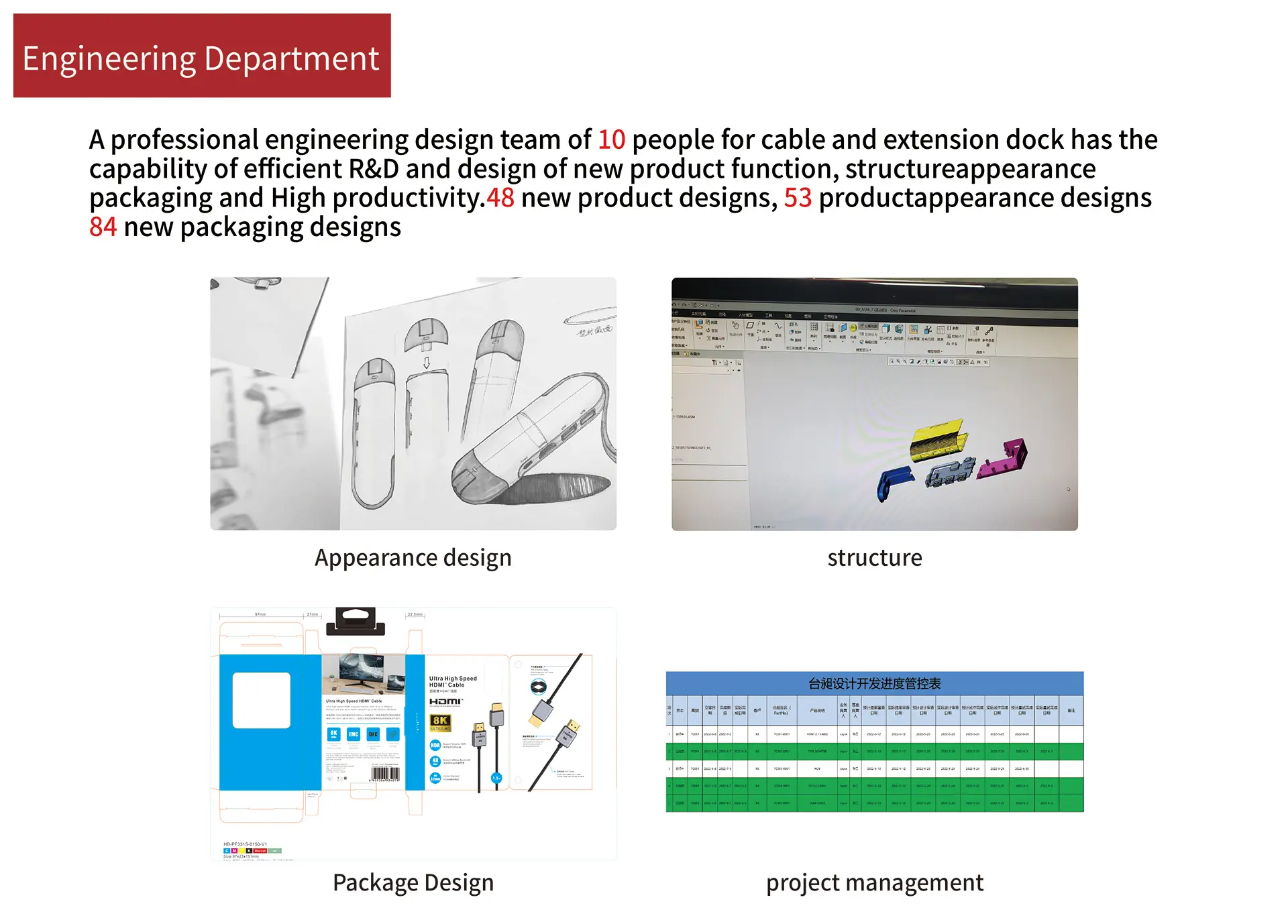
38 years to pass professional video and audio peripheral equipment connection line manufacturing as the foundation, Gradually develop to the high-end audio and video cable data cable such as HDMI2.1 cable, DP2.0 cable, USB4 data cable, USB-C 3.1Gen2 data cable, high-power USB charging cable, 8K HD conversion cable, multi-functional Type-C expansion dock and other products research and development and manufacturing.
Aligning procurement policies with green initiatives, technological evolution, and manufacturing standards.
As sustainability regulations tighten globally, B2B procurement processes must align with strict ecological and quality standards. Sourcing network components requires confirming that manufacturers comply with regulations like RoHS, REACH, and hold certifications like CE and FCC. These compliances guarantee that the product housings, solder joints, and internal circuits are free from hazardous chemicals (such as lead, cadmium, and polybrominated biphenyls) and operate without causing electromagnetic interference in industrial environments.
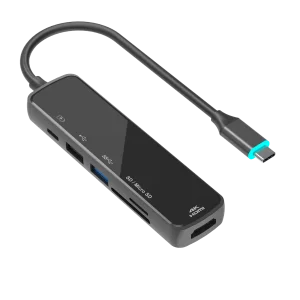
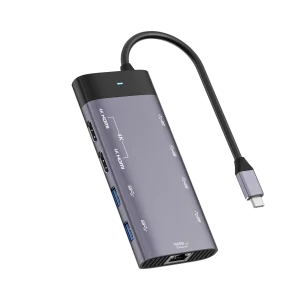
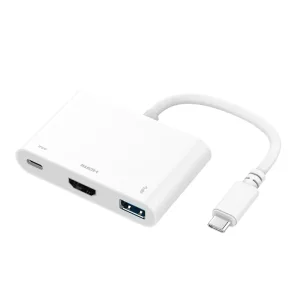
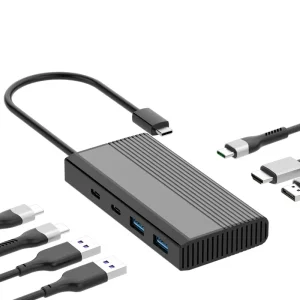
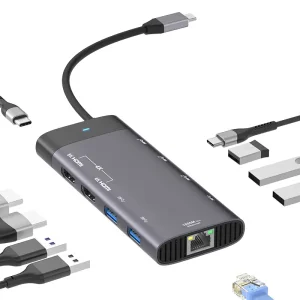
Additionally, modern hardware design leans toward hybridization. Manufacturers are integrating USB 2.0 LAN controllers with multi-functional ports. For example, a single adapter might combine a Fast Ethernet port with multiple USB-A expansion ports or a USB-C charging bypass. Purchasing multi-port hubs from reliable OEM suppliers helps simplify deployment processes for end-users, lowering overall hardware acquisition costs.
Answers to technical questions regarding deployment, performance, and hardware optimization.
No. The USB 2.0 bus has a maximum theoretical bandwidth limit of 480 Mbps. Due to protocol overhead and bus sharing, the maximum real-world throughput is around 320-350 Mbps. Therefore, USB 2.0 network adapters are designed for Fast Ethernet (10/100 Mbps) standards. For Gigabit networking, a USB 3.0 (5 Gbps) adapter is required to handle the bandwidth.
USB 2.0 controllers feature broad operating system compatibility, run cooler than high-speed alternatives, and consume less power. For devices like POS terminals, automation hardware, and IoT gateways, a 100 Mbps connection offers more than enough bandwidth for data transmission while ensuring reliable, long-term operation.
Modern operating systems like Windows 10/11, macOS, Linux kernels 2.6.14+, and ChromeOS feature built-in drivers for leading chipsets like the Realtek RTL8152B and ASIX AX88772. These devices offer plug-and-play functionality, making them quick and easy to deploy.
Gold plating helps prevent oxidation on connection contacts, which is especially important in humid or industrial environments. Using high-thickness (up to 50 micro-inches) gold plating ensures stable contact resistance over thousands of mating cycles, preventing packet loss and connection drops.
Yes, but this feature is chipset and system-dependent. Adapters using the ASIX AX88772 chipset are widely supported by system BIOS and UEFI configurations for PXE boot capabilities, allowing IT administrators to deploy images to thin clients and systems without built-in network interfaces.
For large orders, manufacturers offer extensive customization options. These include adding custom logos, altering cable lengths, selecting custom shell materials (such as aluminum alloy or ABS), customizing packaging, and pre-loading specific MAC address blocks to match corporate network environments.
Explore our selection of dynamic display adapters, custom interfaces, and audio-video solutions.
 Taichang Electronic